Basketball Season Plan: A Coach's Workflow
Coach-focused basketball season plan to structure weekly practices, scouting, and game prep. A practical workflow to develop players all season.

Key takeaways
- Frame the season by defining goals and installed systems to guide every decision.
- Map roles and rotations to personnel, visualizing availability and workload across phases.
- Link goals, systems, and personnel into a cohesive season plan with clear blocks.
- Build a season calendar and practice blocks to create rhythm and alignment.
- Develop a drill library and video playlists to reinforce installs and reviews.
- Integrate scouting reports into weekly blocks, attaching opponent tendencies to prep for film and practice.
Frame your season: goals and installed systems
Frame your season by defining season goals and the installed systems you want to establish early. Set the targets that guide every decision, from pace and spacing to defensive identity. Tie these to the offensive and defensive principles you want to implant from preseason onward. When you frame goals and installed systems together, you create a clear north star for the season and a blueprint that informs every practice block, film session, and scouting note.
Next, map roles and rotations to personnel, considering constraints like academic schedules and travel. Use the season calendar to visualize availability and travel windows, then assign roles that fit each player’s current development path. Clarify rotations for multiple lineups, and outline minutes distribution with thought given to workload and recovery. This is where you translate roster realities into a practical plan, so your team isn’t guessing what comes next in early season drills or late-season grind.
Finally, link these elements into a season plan that ties practice blocks, film sessions, and scouting notes together. In your coaching workspace, set up plan blocks for each phase—preseason, early season, mid-season—and attach board diagrams to illustrate actions and sequences. Build video playlists for install and review, and keep scouting notes aligned to upcoming opponents. When goals, systems, and personnel map stay connected, you maintain a cohesive framework through preseason adjustments and the shift into late-season battles. This integrated approach supports a seamless workflow across the key areas of your season plan: installing systems, planning practices, and preparing for scouting reads.
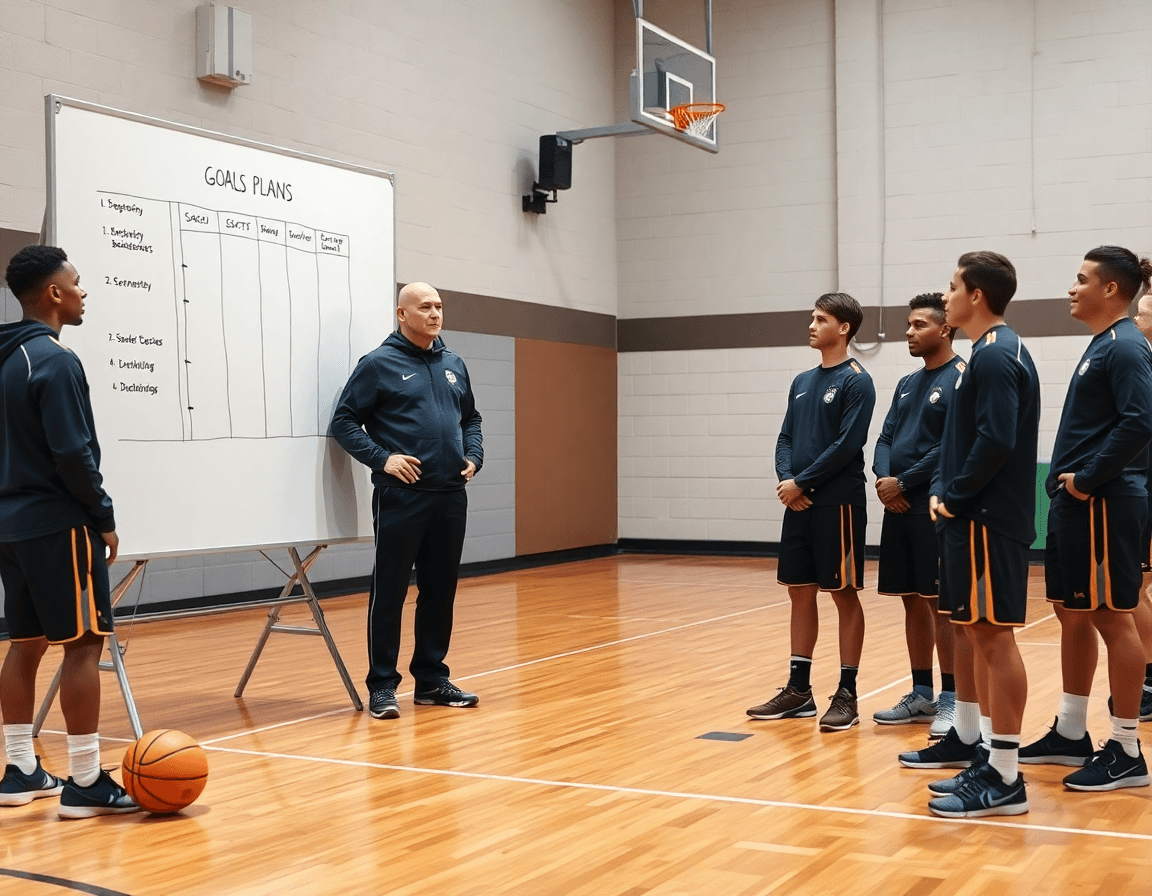
Build a season calendar and practice blocks
Your basketball season plan starts with a season calendar that maps preseason, early season, mid-season, and late-season phases. This calendar creates a predictable rhythm and helps you align every week with specific goals. By labeling each phase, you can pace skill work, plan the install, and prep for game adjustments well in advance. In your coaching workspace, link the calendar to plan blocks and export a clean season overview as a PDF for assistants and staff.
Divide practices into blocks aligned with season goals: skill work to build fundamentals, install to lock in actions, and review to tighten decisions under pressure. Each block has a targeted weekly outcome and a natural progression from one session to the next. With consistent blocks, you can reuse sessions from your drill library, keeping your weekly plan clear even as personnel or schedules shift.
Use a drill library to assemble sessions quickly and consistently, matching drills to the phase and placing them into your blocks. Attach a short video clip or a board diagram to each block to reinforce the coaching point, and maintain a video playlist for quick reference during practice. When you’re ready, export the combined plan as a PDF and share it with staff, ensuring everyone is aligned before the first whistle.
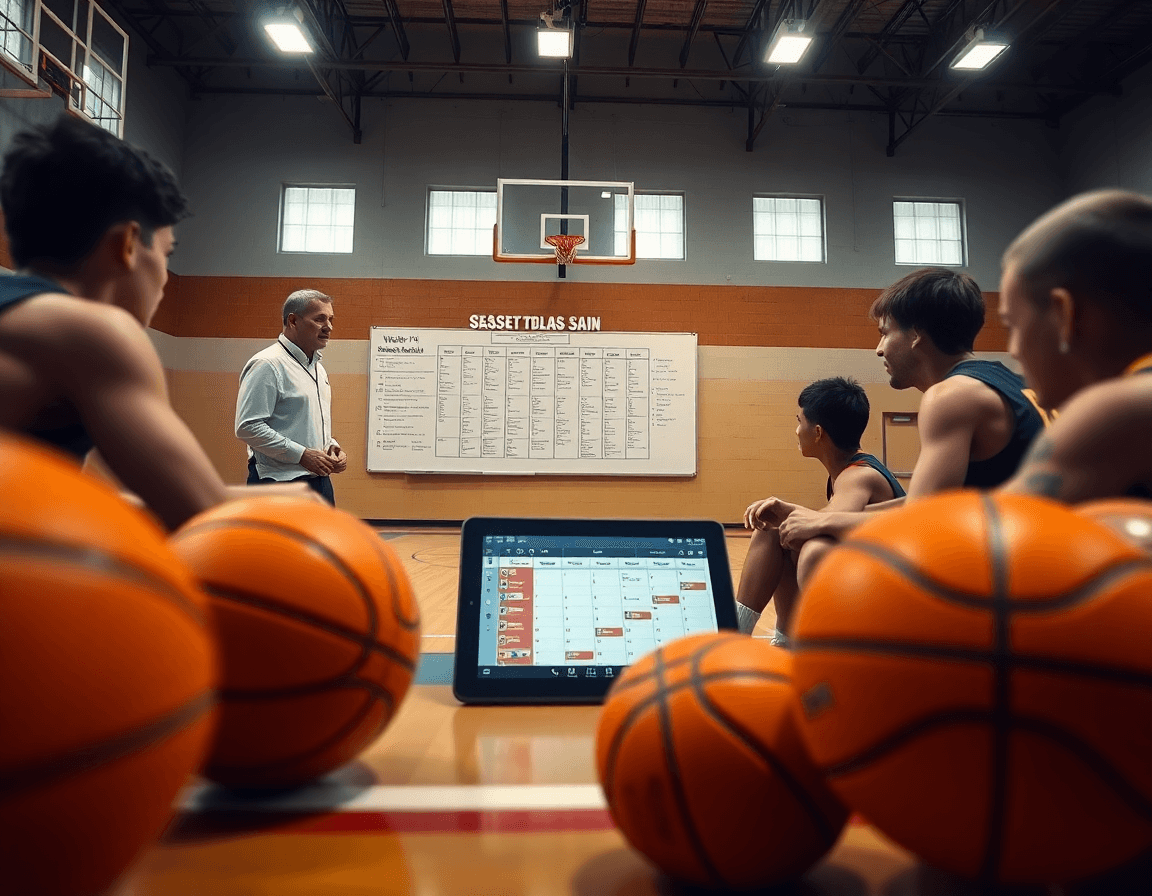
Practical workflow: mapping a weekly season plan
Step 1: set weekly aims based on opponent tendencies and current needs. In your basketball season plan, start with a clear target for the week that reflects what the opponent typically does and where your team needs growth. Check the season calendar (preseason through late-season) and translate those aims into concrete practice priorities. In your coaching workspace, lay out the week with plan blocks and use board diagrams to visualize how drills, scouting reads, and video fit together. This keeps your weekly workflow tight and purposeful as the season unfolds.
Step 2: select drills and plays that push toward those aims. Tap into the drill library to pick a sequence that reinforces the week’s focus, and pull plays from the playbook that illustrate the desired actions. Keep the choices tight so practice time is efficient, and tie each drill to a specific objective on the board.
Step 3: incorporate scouting reads and opponent tendencies into the plan. Transcribe key trends into the scouting section and map how your players counter them during the week. The scout notes inform the layout of your plan blocks and the drill choices, so what you review in reports shows up on the floor. Emphasize how those scouting insights drive decisions about placement, tempo, and pressure.
Step 4: prep video clips and playlists to reinforce concepts before practice. Build short video clips that illustrate timing and spacing, organize them into video playlists, and place them alongside the plan so players can visualize the actions before they step on court.
Step 5: finalize, share, and export the weekly plan for staff. Review for clarity, publish a shareable plan, and export as a PDF export to circulate with assistants and scouting partners. This completes the weekly cycle and keeps your season calendar aligned from preseason through late-season.

Integrate scouting and game prep into the plan
You weave scouting into the plan by making it part of the weekly plan blocks. In the season calendar, create a scouting node that feeds into prep each week. Attach scouting reports to the relevant weekly plan blocks for quick reference, so a coach can pull up tendencies during film sessions or on the bench. Use board diagrams to illustrate defensive shifts and offensive reads, and pair them with video playlists that highlight patterns the team will face. This keeps scouting and practice aligned from day one.
Throughout preseason to late-season, tag opponent tendencies and adjust game plans accordingly. For example, if an opponent leans on a specific action in the mid-season, note it in the plan and assign a drill block focused on countering that action. Highlight tendencies in the plan notes and attach a short sequence that demonstrates how to attack or defend it. Link these notes to a quick summary in the weekly plan so staff can prep before the next practice.
Distribution is simple with shareable links or read-only notes to the staff. Before a game, drop the latest scouting brief into the weekly plan, along with the video playlist and the PDF export of the playbook. Staff open the links on their device, review the prep materials, and come ready—without changing the master plan. This keeps the coaching staff synchronized during every phase of game prep.
Keep this workflow sharp by anchoring it to the season calendar and your practice plans. In preseason, establish the structure; in early and mid-season, refresh scouting and adjust game plans; in late-season, summarize key tendencies and contingency options. The goal is a living plan that connects scouting, game prep, and playbooks, so every week you walk into the gym with clarity and purpose.
Balance load and rotations across phases
Begin with a season calendar that marks preseason, early season, mid-season, and late-season phases. In preseason, set workload blocks that ramp conditioning and skill work without piling on fatigue. Plan load management to prevent burnout while keeping performance up. Tie the blocks to clear targets—minutes to start, followed by progressive conditioning goals. Use a simple coaching log to track how players recover week to week and to watch overall load across the team.
Rotation patterns should reflect depth and practice availability. Establish baseline rotations that align with your depth chart and practice windows, then adjust for injuries, travel, and opponent tendencies. Schedule fixed rotation blocks and use board diagrams or the playbook to communicate substitutions. This is the game plan in action across early to mid-season, ensuring players stay engaged without piling fatigue and with a clear path for who hits the floor when.
Recovery and minutes monitoring rely on a simple coaching log and a weekly review. Track minutes per game, practice load, and recovery status, then compare against travel and schedule intensity. In the weekly review, adjust rotation blocks and load to keep players fresh for the late-season stretch while staying aligned with the season calendar. Let scouting notes feed the weekly game plan so shifts in minutes reflect upcoming opponents and tactical needs.
Templates and checklists to kick off your season plan
This basketball season plan starts with a clean set of templates and checklists that align preseason, early season, and scouting into a single coaching workspace. Your season calendar becomes the backbone for workouts, playbooks, and game prep, so you can see how each block supports the next. Use these templates to outline objectives, timelines, and expected outcomes.
Preseason templates give you a structured path: skill blocks, conditioning, install dates, and the first version of your playbook. Pair them with plan blocks and board diagrams to visualize progressions on the board and in your notes. Attach a short video playlist for each topic to speed up review after drills.
Early-season install checklists ensure you cover the essentials before the first game. Use them to guide scouting notes, offensive and defensive installs, and a walkthrough of key sets. A few ready-to-access diagrams on your board and corresponding video playlists keep the team aligned when time is tight.
Mid-season adjustment templates help you stay flexible without losing focus. As opponents and conditions change, you can swap in adjusted rotations, updated scouting inputs, and new game plans while staying inside your workspace. Consider late-season contingencies and a short review cycle to keep players on track.
Export PDFs and ready-to-use playlists for fast implementation. When the week starts, print or share PDF exports of your plan blocks, install notes, and scouting recap. Link the playlists to practice sessions or film review so assistants can execute without hunting for clips.
FAQ
What is a basketball season plan?
A basketball season plan is your blueprint for the year. It frames season goals and installed systems, guiding practice blocks, video sessions, and scouting notes. In CourtSensei, you map this into a season calendar, attach plan blocks to phases, build a drill library, and export a PDF overview for staff. The plan keeps every decision aligned with your north star.
How do you structure a basketball season?
Structure is simple: start with phases and a season calendar, then link each week to clear goals using plan blocks. Begin preseason with installation and scouting groundwork, then progress through early, mid, and late season with focused drills and plays. In CourtSensei, reuse drills from your library, build video playlists for install and review, and export a season overview for staff.
What phases are involved in a basketball season?
The typical phases are the preseason, early season, mid-season, and late-season. Label each phase in your season calendar to pace skill work and installs. An integrated workflow keeps practice blocks, film sessions, and scouting notes aligned, so adjustments at mid-season travel smoothly into late-season grind.
What should be included in a preseason plan for basketball?
A strong preseason plan sets the tone for the year. Include clearly defined preseason goals, installing systems, a robust lay-in of drills from your drill library, and early scouting groundwork. Build weekly workflow and attach board diagrams and video playlists to reinforce concepts. In CourtSensei, export a PDF overview of the preseason plan to align staff before competition begins.
How important is scouting in season planning?
Scouting is essential. Integrate scouting reports into your weekly plan blocks so tendencies guide practice and game prep. Use opponent reads to adjust placement, tempo, and pressure on set schedules. In CourtSensei, attach scouting notes to each weekly block, and reference them during film sessions to keep decisions data-informed without losing context.
How can video analysis improve game prep?
Video analysis sharpens timing and spacing. Build short video clips illustrating key concepts, assemble video playlists for install and review, and place them alongside your plan blocks so players study concepts before practice. This keeps teachable moments aligned with your scouting reads, playbook actions, and drill work across the season.