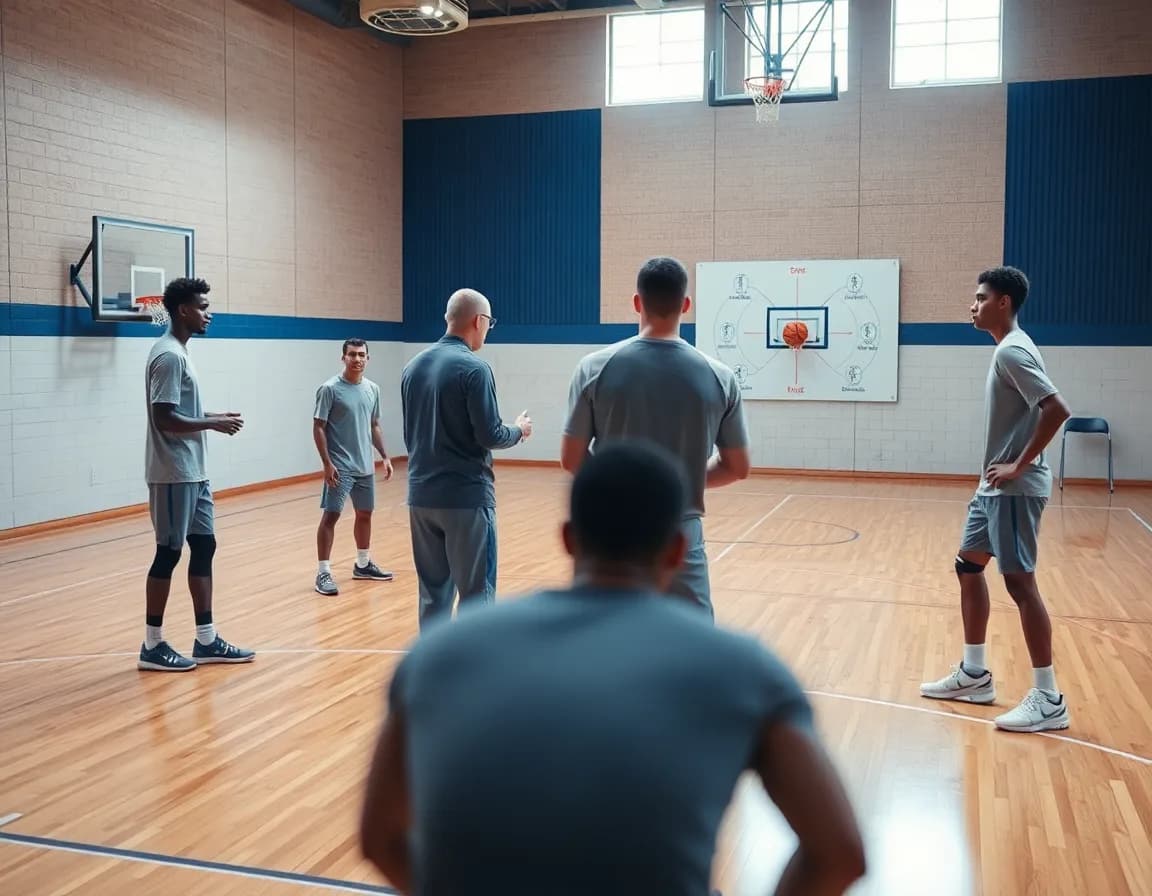
Basketball defense positions: weekly setup
Coach's guide to basketball defense positions: define man-to-man vs zone, drills, rotations, and a practice flow using video, playlists, and scouting.

Key takeaways
- Clarify the five base positions and assign on-ball and help-side duties for every defender.
- Use shell drills to practice hedge-and-recover, switch, and drop coverage while documenting rotations and clips.
- Understanding man-to-man vs zone: frame both paths as complementary; master on-ball technique then translate into space control.
- Weekly plan maps positions to drills, video clips, and scouting notes in your coaching workspace.
- Build a living playbook with diagrams and animations showing position duties, rotations, and triggers.
Define basketball defense positions
Five roles define a base defense: point guard, shooting guard, small forward, power forward, center. The point guard takes the top of the arc as the primary on-ball defender and initiates ball pressure. The shooting guard patrols the opposite wing and helps between the ball and the rim. The small forward must be versatile enough to slide into guard or forward matchups as needed. The power forward provides interior resistance and helps seal screens near the elbows. The center anchors the paint, protects the rim, and communicates gaps to the rest of the group.
On-ball defense versus help-side responsibilities form the baseline for every defender. The on-ball defense stays between the ball and the primary threat, while the help-side defender reads the drive and slides to protect the lane. When the ball moves, you have rotation options like hedge-and-recover, switch, drop coverage, or trap. These options should be practiced in your shell drill to keep spacing and communication intact.
In your weekly plan, map each position to specific drills and actions in your training plan library. You should also draw and animate defensive actions, organize video clips and playlists, and attach scouting reports in your dedicated coaching workspace. If you want a zone principle to frame how you think about area coverage, consider this note: "Zone defense assigns defenders to areas of the court rather than specific players." zone defense areas over players
Man-to-man vs zone: alignments and responsibilities
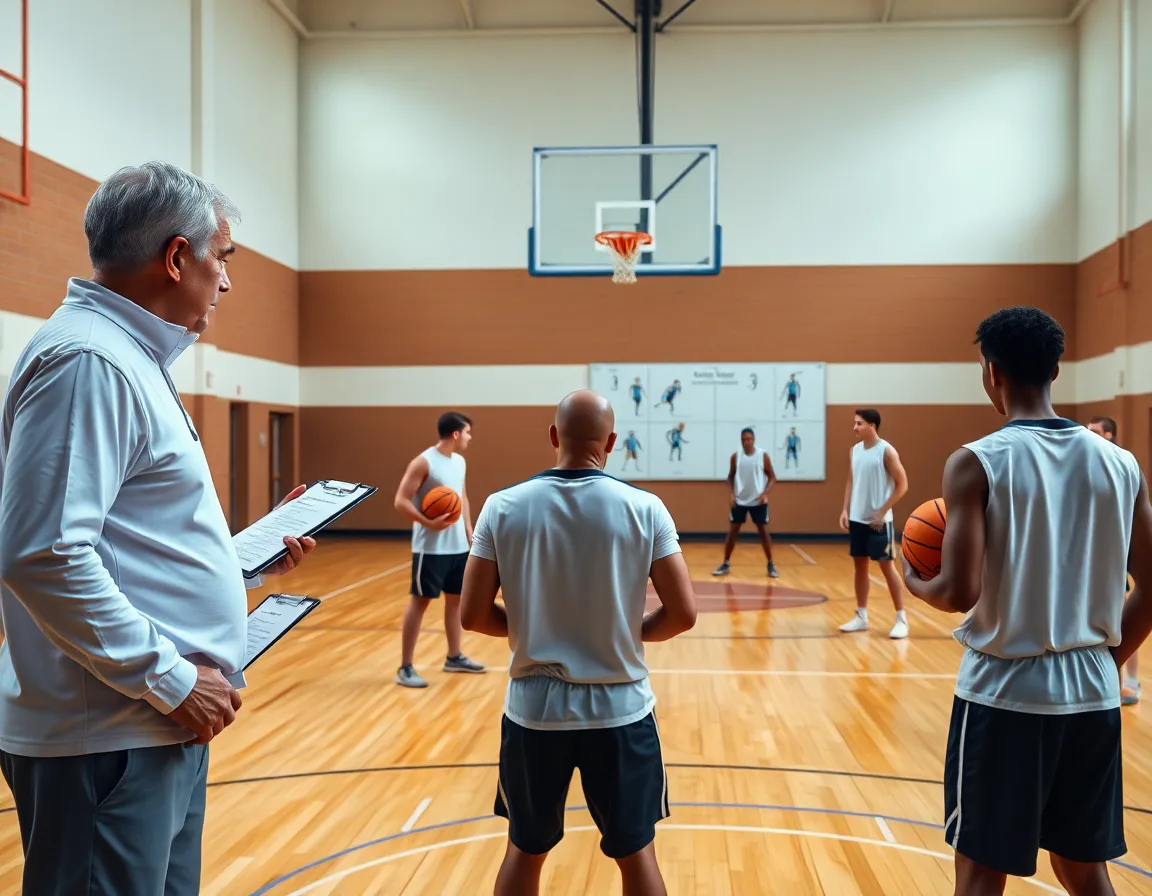
Understanding basketball defense positions starts with a clear split between man-to-man and zone concepts. In a true man-to-man setup, the defender is tied to a specific opponent, with the ball-you-man priority shaping your stance, hips, and footwork. The on-ball defender carries the load, while teammates help by closing passing lanes and spotting rotations. In a zone, players guard spaces rather than people, communicating to protect the paint and deny safe angles. For a weekly plan, frame both paths as complementary: master on-ball technique and then translate that understanding into space control and rotations.
Deciding when to use each approach depends on the opponent and your personnel. A week might alternate between pressure days and more organized shell work to prepare for looks that rely on gaps and shared responsibilities. In man-to-man rotations, you have three main options to manage ball-handlers and ball-you-man scenarios: hedge-and-recover, switch, and drop coverage. In zone, focus shifts to preserving gaps, maintaining balance, and shifting as ball movement creates new shooting angles. Keep communication steady so defenders know when to tag the ball and when to protect the back line.
Shell drills anchor the teaching. In the weekly training library, you can run shell work to establish the base for both alignments, then layer in video clips and scouting notes to refine decision points at game speed. The shell drill is the cornerstone teaching vehicle for man-to-man defense at every level. shell drill for man-to-man defense
Shell drills, rotations, and defensive duties
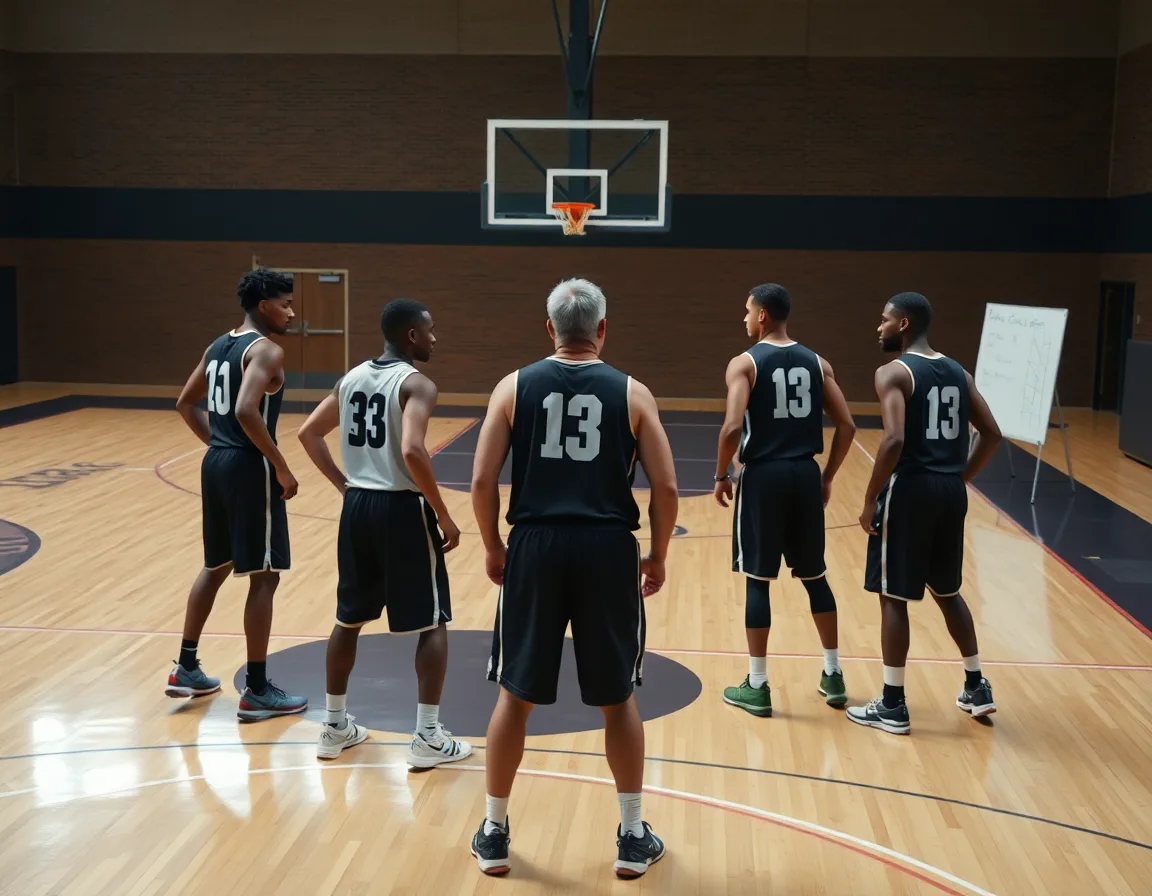
A practical shell drill workflow to build communication and rotation timing starts with a simple setup: four defenders around the arc and one ball handler at the top. Define each player's duties: on-ball defense, help side positioning, and the first rotation. Start with a quick pass and drive around the perimeter, with loud, concise callouts. As the ball moves, defenders slide to their assigned spots in sync, reinforcing timing before the drive reaches the middle. In your weekly plan library, attach a shell drill and use the drawing tools to map each rotation, then add quick video clips that illustrate what the rotation should look like in real time.
When you practice pass-loose rotations and lane integrity without overcommitting to zones, the focus is discipline over rigidity. Emphasize ball-you-man and on-ball defense responsibilities, while the help side maintains proper stance to prevent straight line drives. Practice hedge-and-recover and switch options as the ball moves, but keep the lane open for skip passes. Use drills that force players to recover to their man after a contest or a drive, not to cheat toward the ball. In the coaching workspace, you can link a sequence of clips and tag them with terms like help side positioning and hedge-and-recover so the staff can review after practice.
Finally, the role of help defense and recovery rotations is what keeps shifts cohesive. When the weak side steps up to deter a drive, the rest of the defense must recover in order, past the arc, to guard the original matchups. The emphasis is on timing and communication, not chasing the ball. Use your workspace to annotate a sample sequence, attach a scouting note on how the opponent attacks the help, and assemble a short video playlist that shows successful recoveries. This approach helps you build a consistent rhythm across drills and keeps every player aware of how to get back to their assignment.
Build a defensive playbook and video library
To lock in weekly defense work, build a solid defensive playbook. For basketball defense positions, diagram and label position-specific responsibilities for each defensive scheme. For man-to-man, map out ball-you-man duties, help side positioning, and the rotations that cover ball reversals. For shells, define who drops and where, who bumps, and when to switch. For zone looks, assign lane responsibilities and the triggers for traps. The aim is a living reference coaches can lean on during plan reviews, drills, and game-prep notes.
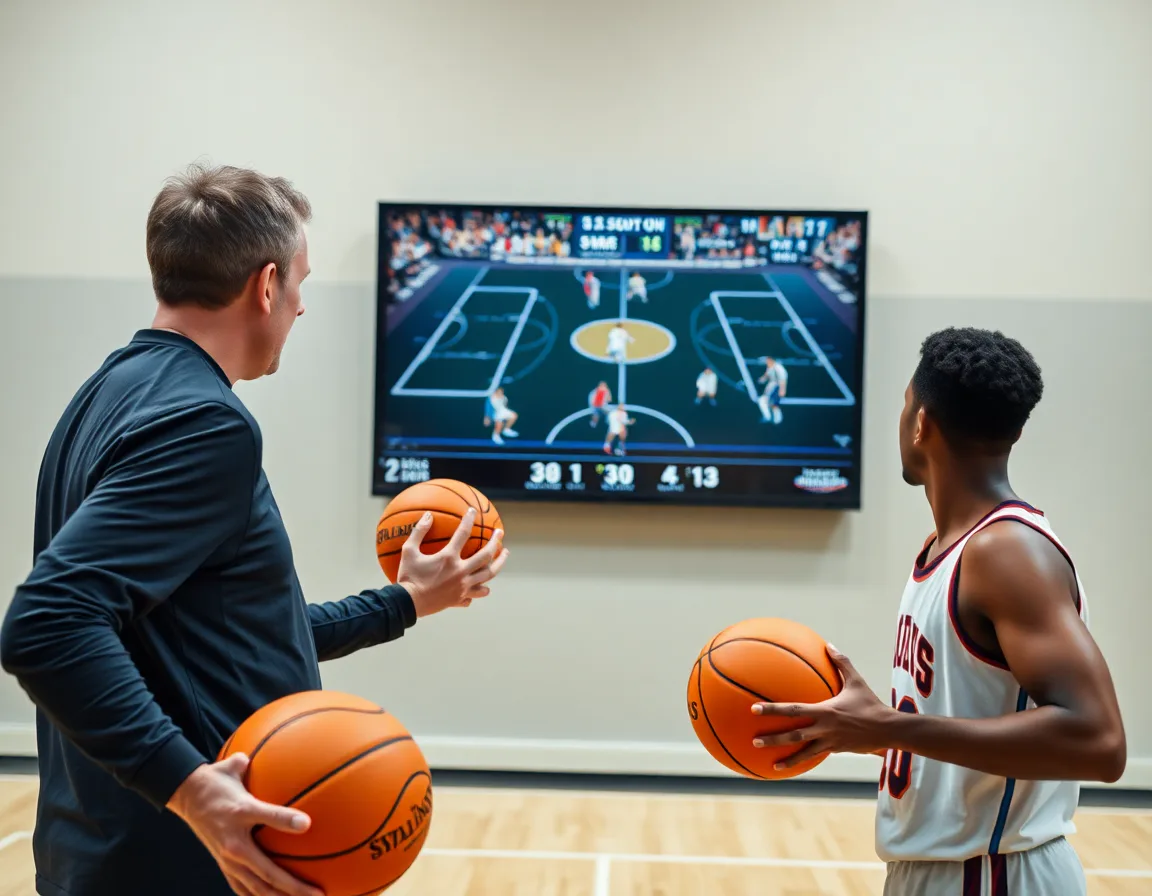
Animations and diagrams bring rotations and stance to life. A quick clip can show a ball-you-man denial in on-ball defense, followed by a compact help-side rotation, then hedge-and-recover or switch as the ball moves. Attach clips to each play so the diagram is anchored in real movement, and use the video library to link the clip directly to the diagram.
Organize a video library so players can review position-based decisions outside of practice. Build playlists for each defense variant and tag clips with notes on ball-you-man or help-side decisions. Attach scouting notes to entries in the coaching workspace so the plan stays current as tendencies shift. The result is a living reference that supports weekly defense work and makes video a true extension of the playbook.
Weekly workflow: scouting to game prep
Your weekly workflow starts with a clear focus on basketball defense positions. Plan around those positions and align drills in your structured training plan library to mirror opponent tendencies. Use the coaching workspace to attach scouting notes and build a game-like sequence of actions that support rotation and communication. In practice, on-ball defense and help side positioning should thread through every session.
Take the scouting notes and translate them into actionable drills, rotations, and shell work for the upcoming game. Tailor the ball-you-man assignments and help side positioning to the opponent's attack. Use video clips to illustrate tendencies and attach them to the rotation plan. This is where the start of the week becomes game prep.
Leverage the structured training plan library and clip reviews to prep the defense for consistent execution. Use core drills such as shell drill, hedge-and-recover, and trap sequences, then adapt to drop coverage or switch as needed. Keep a simple map of defensive rotations and ensure each defender understands their responsibilities for ball-you-man and help-side positioning. Clip reviews should reinforce decisions and timing without drifting into analysis.
On game week, map defensive rotations for each position, attach a scouting clip to the plan, and run a short video review to lock in choices. The end result is a ready-to-run defensive plan in the coaching workspace, with the clips and notes compiled for quick reference during film sessions.
Using clips and playlists to teach defense positions
You can create position-specific clips and playlists that illustrate assignments for each defender, from ball-you-man to help-side positioning on drives. Label by defense positions to keep the weekly plan clean, and tag clips with terms like on-ball defense, shell drill, hedge-and-recover, switch, drop coverage, and trap. When you map these clips to a weekly routine, the defense progression feels concrete instead of abstract.
Attach clips to practice plans and drills to reinforce shell drill, recoveries, and rotations, so the flow from individual position work to team shell work feels natural. You can link a short video clip to a drill such as a recoveries sequence or a ball-you-man progression, and describe the expected rotations in the plan notes. This keeps the weekly plan cohesive and makes it easy to export as a PDF export for staff or scouts.
Share read-only links or annotated playlists to support independent study and feedback. Coaches can annotate these playlists with cues for ball-you-man, on-ball defense, and help-side positioning, tying clips to specific defense positions so the group can review before the next session. In your weekly plan in the coaching workspace, you build a library of clips that align to each role, then pull up the exact clips during drills.
FAQ
What is a defensive scheme in basketball?
A defensive scheme is the game plan for how a team defends, covering man-to-man responsibilities, zones, and when to switch, hedge or trap. In CourtSensei, coaches map these decisions into the weekly plan library, draw and animate the actions, and attach scouting notes. The goal is clear communication and consistent rotations under game speed.
What is the most common zone defense in basketball?
There is no single most common zone; teams pick looks to counter opponent patterns. In weekly planning, include zone practice under shell drills, define lane responsibilities, and set triggers for traps. CourtSensei lets you map these looks into your playbook and assemble review clips for faster learning.
When should a coach use a hybrid defensive scheme?
Hybrid looks work when opponents mix drive pressure with perimeter shooting and rim protection. Use hybrid when personnel can cover multiple spots or when spacing breaks down under a pure scheme. In the weekly plan, label these looks in the playbook and attach transition videos in the coaching workspace.
How do situational defenses differ from base defenses?
Base defenses give a default posture like man to man or a standard zone. Situational defenses adapt to late game needs, opponent tendencies, or foul trouble. Build a few situational looks in the weekly plan and keep a ready rotation sheet so players know when to switch without losing spacing.
What is the shell drill and what does it teach in defense?
Shell drills build spacing and communication and smooth rotations. Start with four defenders around the arc and one handler at the top, with loud callouts and quick rotations. Attach a shell drill sequence in the library, and add video clips that show the keys like on ball stance and first rotation.
What does match-up zone defense mean?
Match-up zone blends man to man and zone by assigning defenders to areas while tracking specific threats. It keeps pressure on the ball while maintaining gaps and helps with late rotations. In weekly planning, outline lane responsibilities for the zone and assemble a review playlist to study progress.