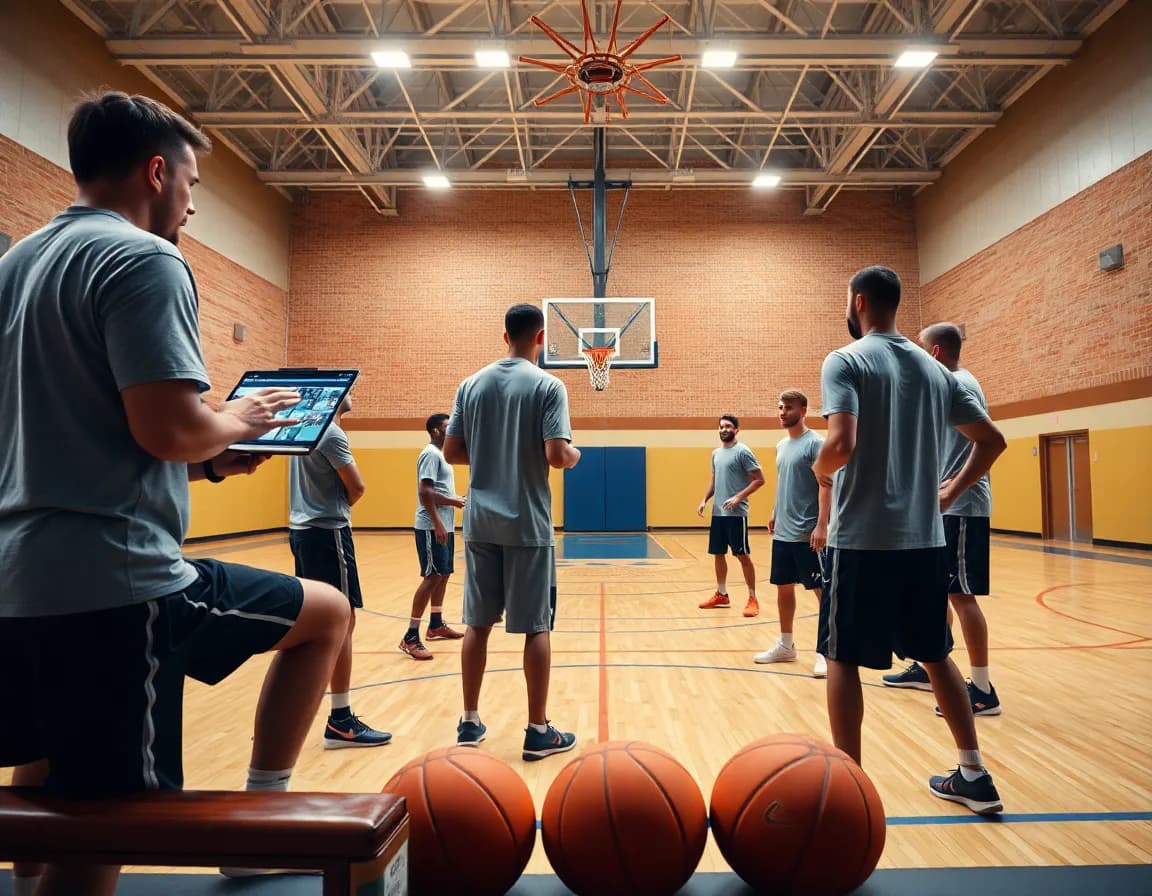
Basketball Defense Stance Weekly Training Plan
Coaching guide to basketball defense stance, from foundation to slides, with a weekly training plan and drills/video playbook toolkit for coaches.

Key takeaways
- Start every weekly plan with stance work to underpin slides, closeouts, and ball denial.
- Use the foundations cues like feet shoulder width and weight on the balls of the feet.
- In practice, pair stance drills with video review and clip tagging for quick form fixes.
- Progress from static to dynamic slides and closeouts while keeping posture intact and square.
- Anchor the week with a simple playbook page for scouting and game prep notes.
Why the stance matters in weekly prep
A solid defensive stance enables quick movement in all directions, impacting on-ball defense and helpside positioning. When you map your weekly prep, start with stance work because it underpins almost every drill you will run later, including slides, closeouts, and ball denial. Building this base early helps players stay balanced when they pivot, sprint, or drop into help before a rotation.
Key posture elements are feet width, knee bend, torso alignment, head up, and weight on the balls of the feet. A common cue is to keep feet wider than the shoulders, knees slightly bent, and the chin up with the head over the knees rather than leaning forward. This posture makes it possible to move quickly while maintaining control. Reinforce these cues during transitions and ball pressure drills.
See the guide for details: USA Basketball Youth Coaching Guide Part 2
Weekly drills should interlock stance with the rest of the cycle. Include defensive slides, lateral movement, and ball denial in a sequence that starts with a still stance, then adds movement, then adds pressure on the ball. These drills should align with your video review and clip library so you can show exact foot placement and angles to the team. The approach also translates to scouting and game prep by building a consistent playbook of stance based reactions.
In practice, map a small block that ties stance to the next actions. A quick clip review after each drill can lock in how the feet, hips, and gaze come together for a solid defense.
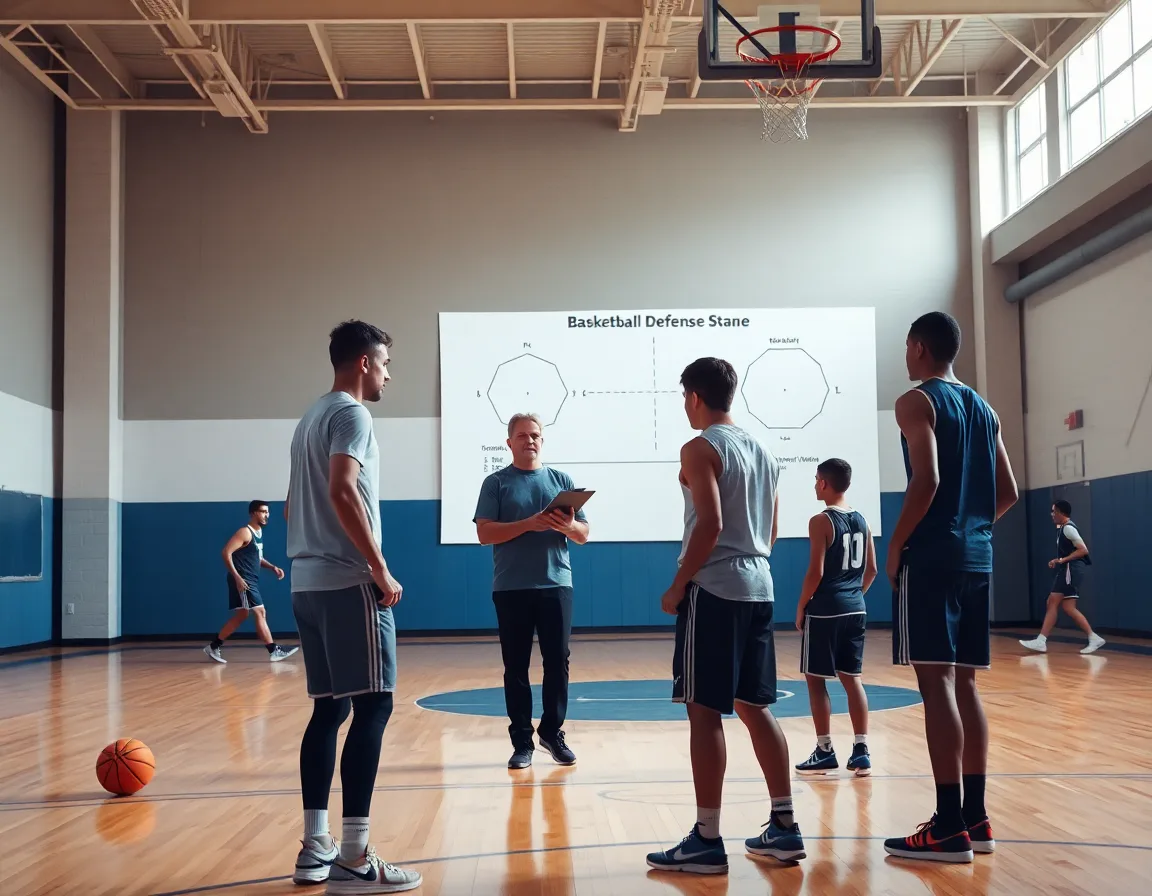
Foundations establishing the proper stance
Foundations begin with the defensive stance. Keep feet shoulder width apart or slightly wider to maintain balance, with knees bent, hips low, and head up. The weight rests on the balls of your feet, not your heels, which keeps you ready to surge laterally.
Feet are shoulder-width apart or slightly wider, weight distributed on the balls of the feet, never the heels. opisni anchor
Hands active with eyes on the opponent's chest; avoid turning away from the ball. In on-ball defense, keep a low hand to mirror the ball and threaten a deflection, while the other hand contests a pass or shot to pressure the passer and shooter. This posture helps you stay balanced as you slide.
Your feet should not be squared; a slight stagger with one foot ahead by a half step helps load weight and push off laterally without crossing over. The weight stays on the balls of the feet with hips low, in a compact defensive crouch that supports quick resets and fast feet into the next slide, closeout, or deny.
In the weekly plan you start with stance drills and pair them with quick feedback from video review. Use clip management to tag form issues and build a simple playbook page for scouting and game prep. The goal is to lock in the stance so every drill, from on-ball defense to ball denial, flows from that base. Practice this week with emphasis on your stance in every drill, and you'll see the rest of your defensive toolbox click into place.
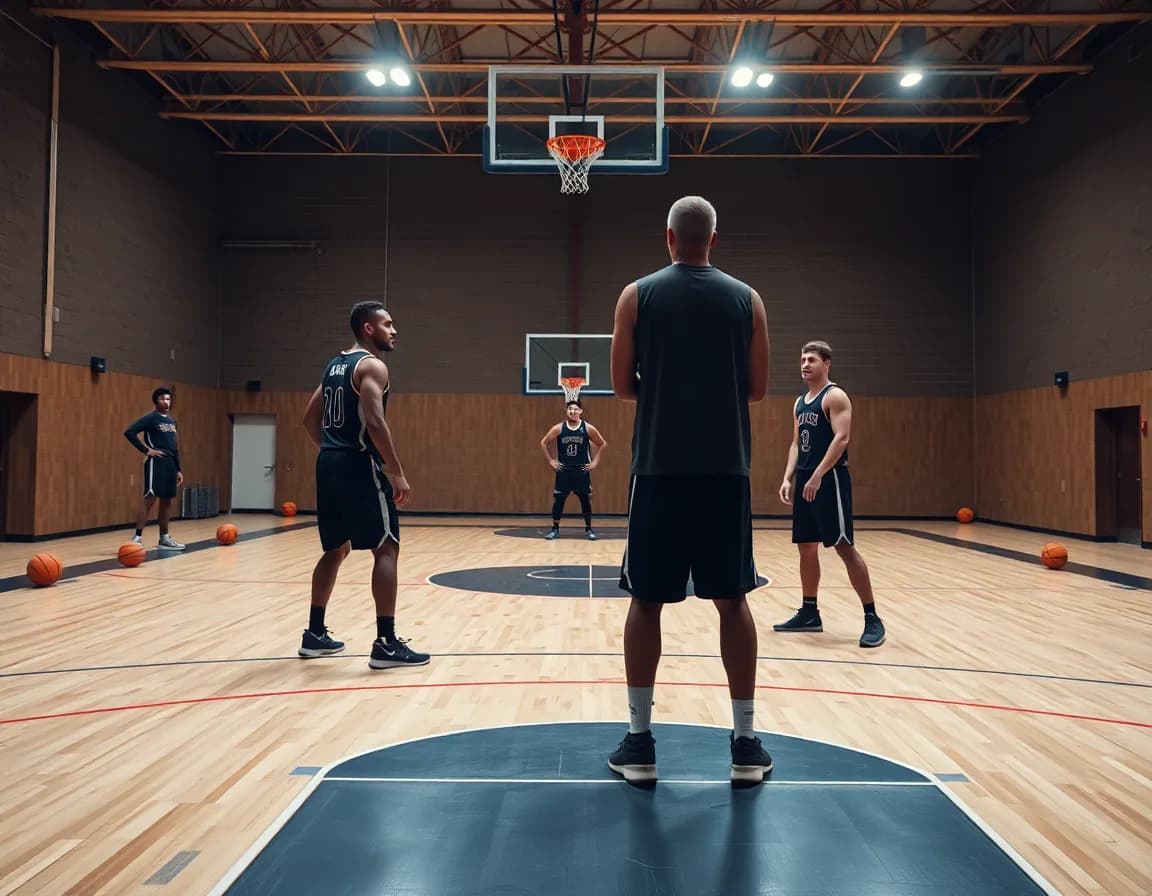
Progressions from static stance to slides and closeouts
Progress starts with a solid base. Begin with a static defensive stance: feet shoulder width apart, knees bent, weight on the balls of the feet, chest over the toes, eyes up. This posture sets the rhythm for every move that follows. In your weekly plan, block out time to rehearse this stance and capture alignment in quick clips for review later in the coaching workspace.
Then introduce lateral slides while preserving that posture. Work on keeping hips square and shoulders level as you push laterally, not crossing the feet. The focus is lateral movement with balance, so reps emphasize short, controlled steps and a quiet recovery. Use your drill library to pull drills that couple stance with slides, and tag each with a goal for quick scouting notes.
Add closeouts next, teaching players how to contest space without over committing. Sprint to the shooter, hands up, feet under you, then plant and slide into a controlled stop. Emphasize closeouts with balance and discipline of avoiding fouls. Bring in the ball you basket principle to guide when to shrink space and when to retreat, so the defender can recover into a helpful stance.
Throughout the week, weave these progressions into a cohesive drill sequence in the coaching workspace. Use the built in video review to highlight good slides and closeouts and use clip management to isolate reps that need work. When ready, export a PDF playbook for scouting and game prep notes that mirrors the on court progression.
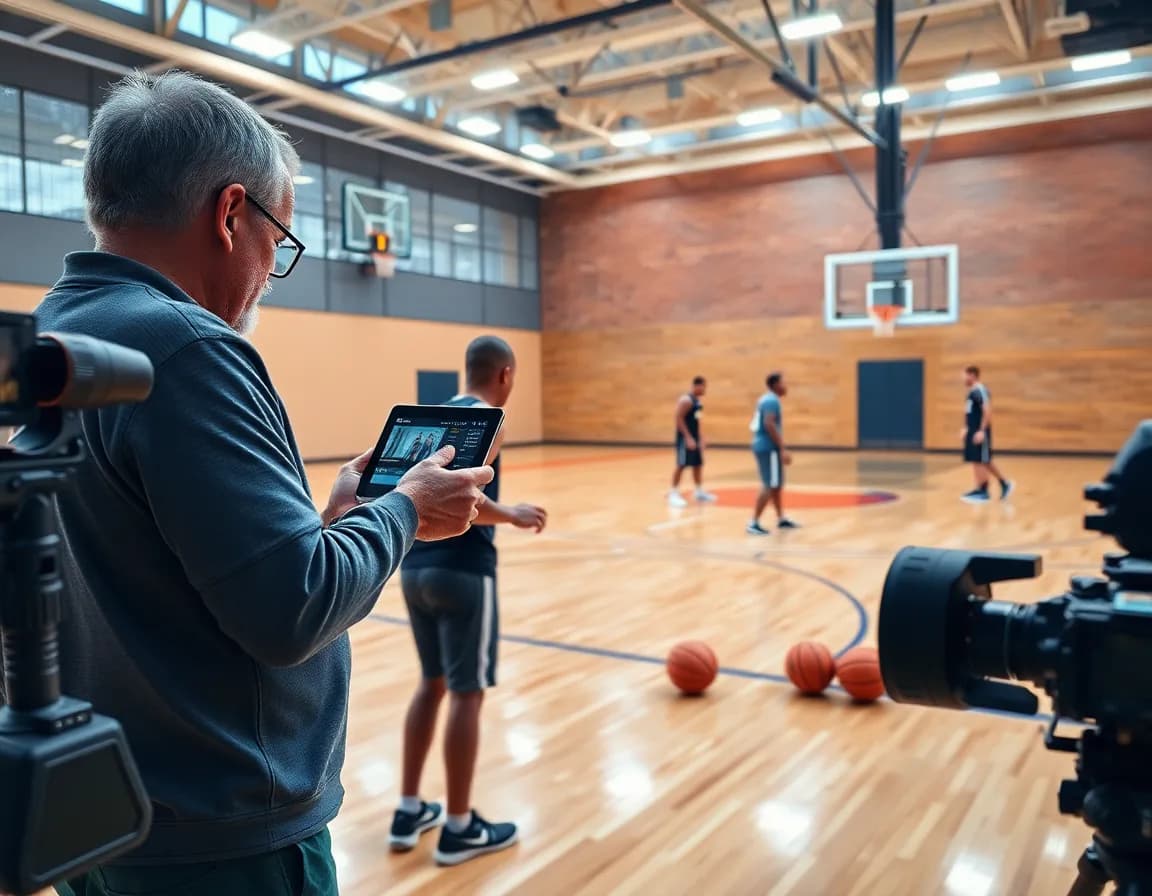
Practical five step workflow to train stance this week
The five step workflow keeps the basketball defense stance front and center in your weekly plan. It ties planning, drills, video review, and adjustments into one clean loop. Start by anchoring the week on the core ideas of defensive stance and defensive slides to keep players balanced, under control, and ready to move.
Step 1 plan a focused stance drill block using the drill library. In your weekly plan, pull a cohesive block that emphasizes knee bend, a low center of gravity, and strong lateral movement. Map the drills to days with progressive load and fatigue. Create a quick pdf playbook for scouting and game prep and store notes in the coaching workspace for easy reference.
Step 2 warm up with stance fundamentals and light slides. Begin with stance fundamentals and ankle mobility, then roll into light slides to wake the feet. The warm up should flow into the first drill block, setting up clean transitions into on ball defense and help side positioning.
bezbedna zamena Start with a static stance, then advance to short two step slides, and finally practice closeouts on shooters from a deny angle. Build the tempo gradually so players feel steady control over foot placement and hip rotation.
bezbedna zamena Upload a quick clip from the block and annotate posture and footwork, noting repeated issues. Use the coaching workspace to log corrections and tag terms such as defensive stance, defensive slides, and lateral movement for quick reference.
bezbedna zamena Based on findings, shift emphasis toward slides or closeouts, reassign drills, and update the plan in the drill library. Save the revised block in the coaching workspace and export the updated pdf playbook for the next week.
Using video to diagnose and correct stance in practice
Video review helps diagnose the defensive stance in practice. Start by uploading practice footage and clip moments that show stance faults and successful reps. In these clips, zoom in on foot position and knee bend, and watch torso alignment as players move through defensive slides, closeouts and ball denial attempts. Use these moments as concrete teaching anchors for the next drills.
Annotate the clips to guide feedback: mark foot position and torso alignment to map what needs correction. The annotations become a quick reference you can drop into your weekly workflow for players and assistants during the plan for the week. As you review, note patterns in lateral movement and help-side position and link them to specific drill cues.
Create shareable clips or playlists to reinforce correct habits for players and assistants. A short clip of a proper defensive slide, followed by a clip of a faulty rep, can anchor learning during film review and in practice. Arrange the clips into position-specific playlists: footwork, ball denial, on-ball defense, so a coach can assign a focused view before each drill.
Link video notes to drills and plays within a coaching workspace. When a defender struggles with defensive slides or closes out under control, the notes should point to a drill that trains that movement and to a play that simulates ball denial pressure. This keeps the connection between feedback, practice, and scouting prep clear for the next game plan.
Build your stance library drills, playbooks, and scouting notes
Start with a curated set of drills that reinforce the fundamentals of the defensive stance. From the stance to on-ball defense, move the feet through quick steps, hip turn, and a low center of gravity, then add decisive lateral movement. The drill library lets you assemble daily tasks that align with the weekly plan, so a coach can see how a single drill ladders into a broader progression.
Take those drills into a structured playbook. Document closeout patterns and how to use the ball you basket principle in different looks, and map helpside positioning to ball handlers. The pages become your go-to guide for game prep and scouting, with clear sections for shell defense, ball screens, and deny patterns, all tied to the core ideas about defensive schemes.
Export PDFs of your stance plan and drills to share with assistants or an opponent prep staff. The PDFs distill the week into action items and diagrams staff can reference during meetings or on gameday, and you can connect them to clips for context. Incorporate scouting notes to tailor stance intensity against specific opponents' ball handlers and triggers.
All of this sits inside one cohesive workspace. Organize actions, drills, clips, and scouting materials so you can pull a sequence for a Tuesday practice and have the related video handy during a timeout. When you merge practice plans with a quick video review workflow, you end up with a coaching workspace that keeps the focus on the stance you want to develop.
FAQ
What is a proper defensive stance in basketball?
A proper defensive stance is the foundation for all movement. Start with feet shoulder-width or slightly wider, knees bent, hips low, chest over your toes, and head up. Weight sits on the balls of the feet, not the heels, so you can surge laterally. Hands stay active and eyes stay on the opponent's chest. When you teach drills, treat this stance as the base for every closeout and denial. Key takeaway: defensive stance sets the tone for footwork.
How wide should your feet be in a defensive stance?
Feet should be shoulder-width apart or slightly wider. This gives you balance to move in any direction without crossing or losing alignment. Avoid heels or pins, and keep a small, flexible base so you can load and explode. Use video cues to reinforce the position during practice and build consistent alignment in your week plan. Key takeaway: feet width supports stable balance.
How do you slide in a defensive stance?
Slide with hips square and shoulders level as you push laterally. Take short, controlled steps, never crossing the feet, and reset after each slide. Keep the weight on the balls of the feet and eyes forward. Incorporate slides into the progression block and tag clips to review foot placement in your coaching workspace. Key takeaway: lateral slides develop hips control.
What are the key components of a defensive stance?
Key components include knee bend, hips low, torso upright, weight on the balls of the feet, and a quiet upper body. Eyes on the opponent, hands active, and a slight forward lean from the ankles keep you ready. This combo supports quick reaction, balance on closeouts, and reliable ball denial. Key takeaways: knee bend and eyes on opponent.
How can I teach defensive stance to beginners?
Give beginners a simple progression: static stance, then two-step slides, then ball pressure. Use clear cues and brief video reviews to fix form. Pair stance drills with a basic playbook page for scouting and game prep so they see how stance links to decision making. End each session with a quick recap and a drill plan for the next practice. Key takeaway: static stance and video reviews.
How do you train defensive stance and footwork?
Train stance and footwork as a cohesive weekly block. Start with static stance, then two-step slides, then closeouts and ball pressure. Use video review to fix foot placement and posture, and tag clips for quick feedback. Align drills with your playbook so stance drives rotations and help side decisions. Key takeaway: defensive stance and footwork progress together.