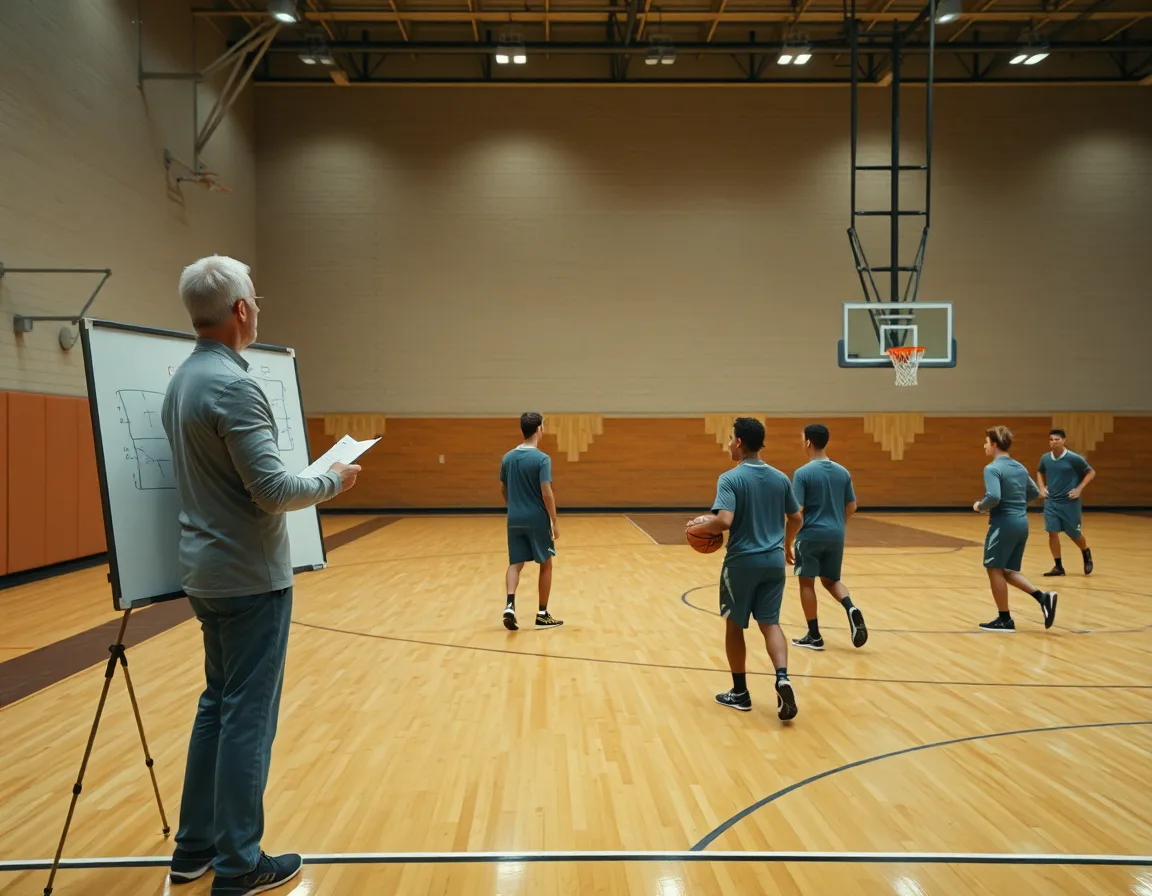
Basketball High Low Offense: Read-React Guide
Coach-friendly guide to basketball high low offense: learn reads, spacing, and zone attack tactics, plus a practical weekly workflow to install high-low.

Key takeaways
- Plan around two post roles: high post for reads and passes, low post for sealing and scoring.
- Leverage a coaching workspace to keep plans, drills, plays, PDFs, and video clips aligned.
- Progression matters: start with high post reads, then introduce low post options.
- Use a shell progression and static diagrams first, then timing-based drills and live reps.
- Keep assets in one place with a video workflow to stage reads and reviews.
How to plan a high-low offense installation
Plan around two post roles: the high post for reads and passes, and the low post for sealing and scoring at the rim. In CourtSensei you can translate this into a single coaching workspace that keeps plans, drills, plays, PDFs, and video clips together. The aim is a clean, connected installation where players see the read progression from high post to low post in one place, not scattered across folders. Keeping everything in one workspace helps the staff align entries and edge toward consistent execution during practice.
- Two post roles: high post for reads and passes, low post for sealing and scoring at the rim.
- Set a weekly install focus: entries, spacing, and read and react reads.
- Use a progression: introduce the high post reads first, then integrate the low post options.
- Leverage a coaching workspace to organize drills, plays, and video clips for easy access.
- Connect plan to practice slots and film review to track progress without relying on external platforms.
"The high-low offense is one of the most time-tested and effective half-court systems in basketball." opisni anchor
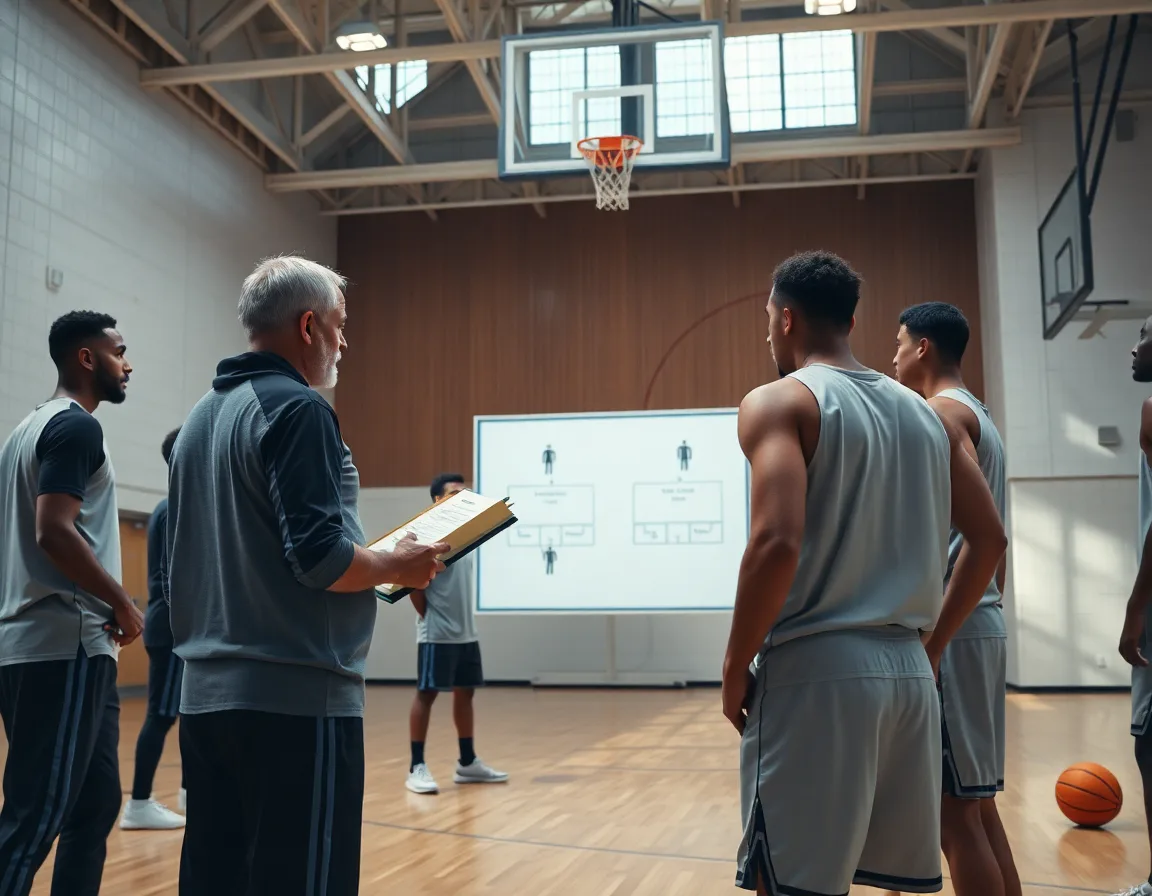
Read-and-react reads from the high post to the low post
In a read-and-react setup, the high post acts as the decision-maker. In CourtSensei you can plan, diagram, and organize these reads inside a single coaching workspace. A solid weekly plan uses a library of drills, play drawings with PDFs, and a video-based workflow to install and refine reads from high post to low post. Keeping all assets in one place, plans, plays, video clips, and scouting notes, lets you pace the install without relying on AI analysis or roster management.
To implement this in a week, start by laying out reads on the high post and the low post. In the plan you can:
- Diagram the reads from the high post, turning reads into options your players can recognize on the move.
- Build a drill library that covers movements like the Laker cut and the skip pass, tagging them by position (elbow, free throw line) to reinforce spacing.
- Use video clips to annotate reads and export a PDF playbook for your staff and squad.
Progression matters. Start with static diagrams, move to timing-based drills, and finish with live-action reps that emphasize timing and spacing. Perimeter movement helps create passing lanes and keeps the defense honest. Emphasize reads over rigid sequences to preserve flow against different looks.
basketball high low offense is one of the most time-tested and effective half-court systems in basketball. What is a High-Low Offense? A Coach's Guide
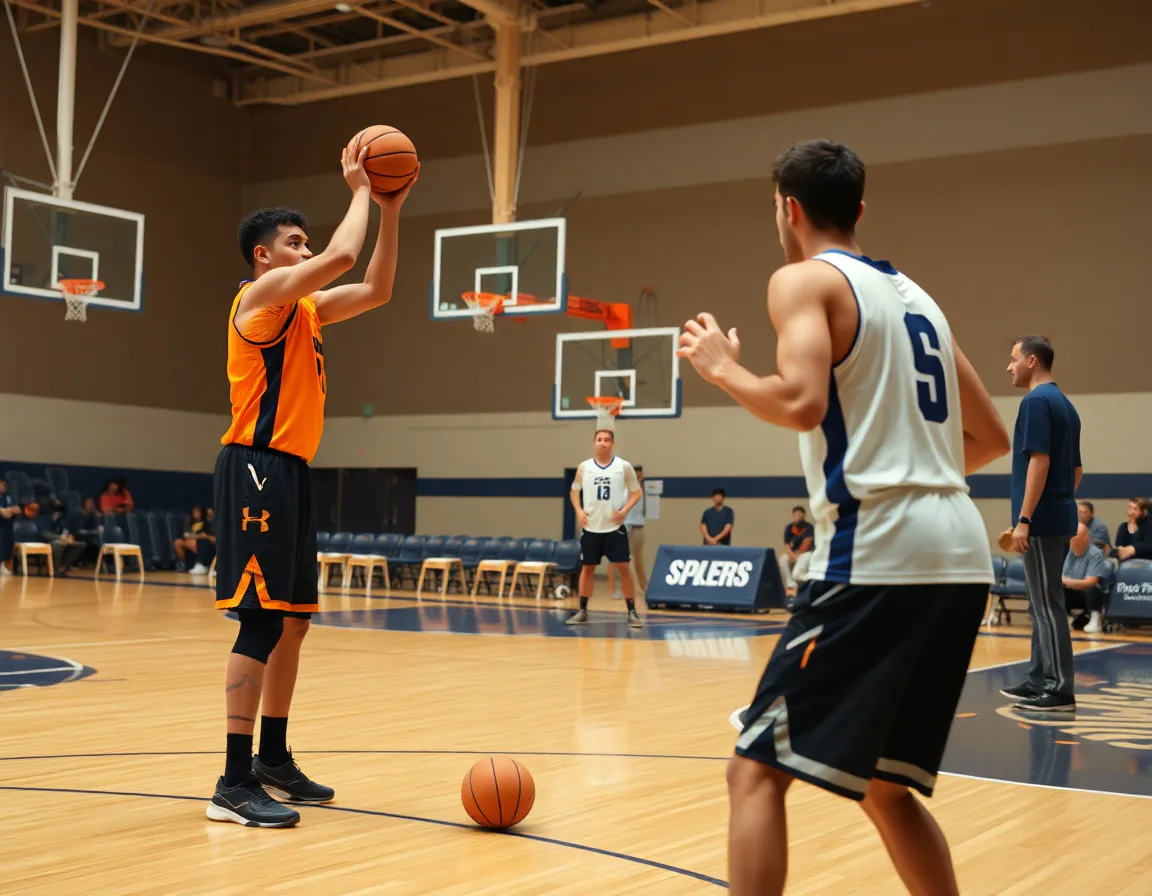
Entry actions that connect high post to low post
Entry actions that connect high post to low post set the tempo for a high-low offense. When the ball arrives at the high post from the top or wing, the next read should be clear to teammates sprinting into the low post seal. This connection between positions creates the read where the defense must decide who to help and where the ball goes next.
To plan this in your coaching workspace, map out the entry actions high post to low post and the exact pass for each look. Diagram the options from the elbow or free throw line, and decide whether a bounce pass over a fronting defender or the high post to low post pass into sealing is best against that defense. Save a library drill for each variant and attach the corresponding video clip to illustrate timing and balance.
Emphasize readiness and flow: maintain a ready-to-pass posture, keep ball movement constant, and avoid clogging the lane so help rotations stay delayed. Timing matters so the low post can seal without tipping off the defender. In practice, use a simple sequence: skip pass to the opposite wing, entry to the elbow, then the low post seal. A quick Laker cut can slot the ball into a favorable angle, keeping defenders off balance.
Within CourtSensei, you keep all assets in one place: plans, plays, video clips, PDFs, and scouting notes. The workflow installs reads from high post to low post by wiring the plan to a short video clip and a drill library. No analytics claims, just a clean, repeatable process you can run in a weekly scouting session. Create the plan, draw the entry, attach video, and run it this week.
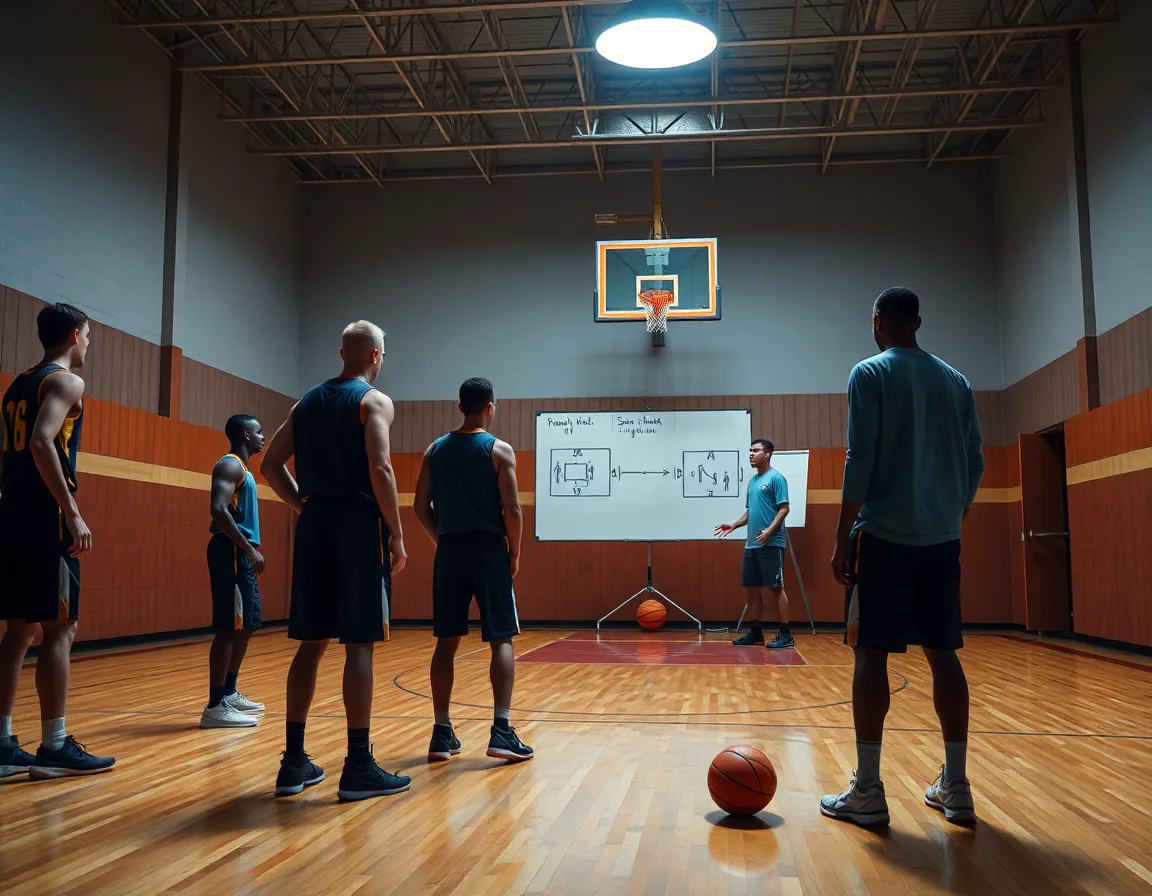
Spacing and motion principles to keep the defense honest
Spacing in a high-low offense isnt just where players stand. It creates passing angles from the high post to the low post and keeps the defense honest. A practical setup might be a 3-out 2-in or 4-out 1-in to maximize passing angles and keep ball movement steady. In your weekly plan, lock in a core set of spacing drills tied to the entry to the high post and to options at the elbow and low block. Start with a simple shell progression to get the angles before adding reads.
Motion is movement with purpose. Baseline cuts and wing action stress rotations and open lanes for a skip pass. Have players run the Laker cut from the high post to the weak side or a quick ball reversal to the skip pass. These actions belong to a motion offense within your playbook, and they align with the high-low reads you want to install. Pair a baseline cut with a sharp wing action to keep the defense honest.
Use shell concepts to practice the reads in a controlled environment. A shell lets you stage actions from the high post to the low post without overwhelming players. Diagram the reads in your play library and highlight where a read from the high post leads to a low post option. The video workflow helps here stage a short clip, tag the key reads, and review in your coaching workspace.
Balance post-entry pressure with continuous off-ball movement to keep the offense from stalling. As the high post entry settles, make sure off-ball movement stays active: weak-side players fill the arc, screen, and look for cuts. Use the elbow or free throw line positions to create lanes and secondary screens. All assets live in one place: plans, plays, video clips, and scouting notes, so you can adjust the weekly plan and keep installs clean.
Beating zone defenses with the high-low framework
Beating zone defenses with the high-low framework starts with the high post acting as a catalyst for decision making. High post attack creates decision points that disrupt zone integrity. When the ball enters the high post and options branch, defenses have to choose rotations, which opens seams on the weak side. In a coaching workspace you can plan and diagram these reads, attach them to a structured training plan, and keep the videos and PDFs in one place for quick install references.
From there, the low post seal to the baseline or weak side stretches the zone and invites overhelp or misalignment. Fronting vs behind-the-post decisions determine whether the next pass is a lob or a bounce. Use a bold low post seal to draw a defender, then hit a quick skip pass to the opposite wing, or pull a Laker cut into the gap. In a motion offense shell, these reads come alive when you interlink drills, plays, and diagrams in a shared library.
To install and refine, lean on read-and-react concepts that exploit gaps created by zone rotations. The workflow can be built around a simple cycle: plan the reads in the training plan, diagram the action on the board, then load video clips to show the exact moment the gap opens and the decision is made. Use a PDF export to package a high-low read play and connect it to scouting notes about opponent zone tendencies. End with a concrete in-practice sequence: install high post reads, then introduce the skip pass, and finally run the low post seal into the weak side.
Practical workflow: weekly install from practice to game prep
A practical weekly workflow for the high low offense keeps installs clean and transitions smooth. CourtSensei bundles plans, drills, diagrams, videos, and scouting notes in one coaching workspace, so you can move from install to game prep without hunting for assets. The goal is a repeatable cycle that installs reads from the high post to the low post and reinforces them through practice and review. This is the workflow for high low offense you can run every week.
Install phase start with diagramming sequences in the play library. export PDFs for practice sheets that show positions on the elbow and free throw line, entry passes, and the motion after a skip pass. this gives a clear install for your players and a reference for the minutes of practice.
Reinforce phase during practice, use drills to reinforce reads from high post to low post. focus on the high post option reads, elbow timing, and the Laker cut options, while keeping the skip pass as a quick path to the weak side.
Simulate phase build playlists with video clips that illustrate specific reads and entry actions. run these clips in practice to walk the team through the sequence from high post to low post and then to a secondary action at the block.
Review phase after practice, review scouting notes and implement adjustments before games. those notes guide tweaks to angles, spacing, and decision points you want to emphasize in the next install.
FAQ
In simple terms, what is the high post offense?
The high post offense uses two post spots to create reads and scoring options. The high post becomes the decision maker, while the low post seals and finishes at the rim. The approach relies on spacing and timing more than rigid plays. In CourtSensei you install this in a single coaching workspace with plans, drills, plays, and video clips.
How does the high post offense beat a zone defense?
When facing zone defense, the high post reads pressure from multiple angles, drawing helpers and creating gaps. The high post can hit the short corner, hit a skip pass, or feed the low post for a seal. Spacing and timing keep the zone from shifting, forcing a decision for the defense. In CourtSensei you map these reads and keep the plan visible in one workspace as you install it.
What skills does a high post player need in a high low offense?
The high post player needs decision making, footwork, and solid passing to start reads for teammates. They must read angles and deliver options to the low post for a seal or to kick to shooters. A reliable mid range jumper helps pull defenders, while good screen recognition keeps the timing clean. Plus, they should sustain spacing and reverse the ball quickly to keep the defense honest. In CourtSensei you store drills and video for progressive development.
What is the biggest mistake teams make running the high low offense?
Overloading one area and neglecting spacing is the biggest mistake. Teams force post touches without giving the high post time to read rotations, which clogs the lane and invites turnovers. The offense also fails when players aren't drilled on the reads from high post to low post. In CourtSensei you can enforce a weekly install that connects plans, plays, and clips.
Can the high low offense work without traditional post players?
Yes, you can run it without traditional post players, but you still need two post roles to supply the reads and sealing options. A mobile big or stretch forward can fill the high post if they can read defenses and make quick passes. The low post still needs bulk to seal. Plan accordingly in CourtSensei by labeling roles and linking drills, videos, and plays.
What are the biggest challenges when running the high low offense?
Timing and reads are the core challenge. Players must react to defense and maintain spacing while moving. Teams struggle with early reads from the high post, defense overloading the lane, and keeping ball movement sharp in practice. A structured weekly plan in CourtSensei helps pace install, drills, and video to build consistency.