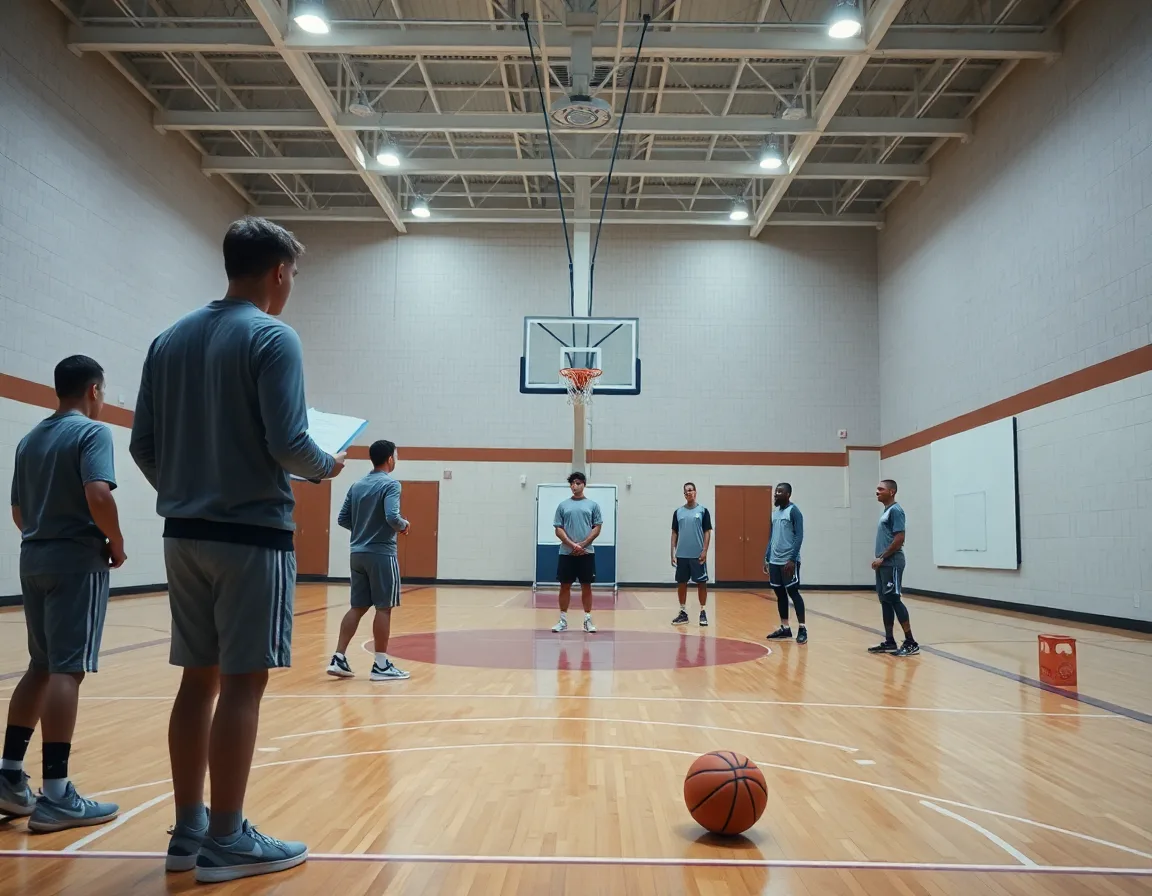
How to run the 1-3-1 offense basketball
Coaching guide to the 1-3-1 offense basketball: structure, trapping rotations, and practical drills that scale from youth leagues to varsity play.

Key takeaways
- Define roles within the 1-3-1 to trigger trap rotations and outlet decisions.
- Map the rotations in your coaching space for corner and wing traps, linking sequences from the drill library.
- Use a video to illustrate a typical trap sequence and compare it with a skipped pass.
- Attacking the 1-3-1 from corners and the short corner drains energy and forces quick decisions.
- Beating the 1-3-1 zone needs quick ball movement and midline reversals; store clips for review.
Structure and rotations of the 1-3-1 offense
The 1-3-1 sets the pace with one at the top, three across the middle, and one on the baseline. The top guard starts the trap and funnels ball movement toward the teeth of the defense. The three across deny direct reversals and squeeze passing lanes, keeping a tired defense under pressure. The setup defines roles and provides a clear basis for weekly drills around trap rotations and outlet decisions after a trap.
Rotations vary with the trap variant. In a corner trap, the baseline defender presses into the corner while the wings push up to pressure again. In a wing trap, the top player drops to the lane line to support a second trap. Outlets shift to the top or the short corner as the defense tightens. In your weekly plan, map these rotations in the coaching space, attach sequences from the drill library, and have the team diagram and animate the angles so they can see them before live play.
Spacing matters. Keep the floor wide enough to open passing lanes and minimize gaps that allow drops or skips. The 1-3-1 pressures the defense into tough outlet and timing decisions. Use a short video to illustrate a typical sequence after a trap and compare it with a skipped pass that breaks the angle.
The corner-to-elbow skip pass is the single most dangerous pass against any committed 1-3-1. 1-3-1 offense resource
All of this fits into a weekly teaching cycle. Plan practice around the 1-3-1 structure, pull anchor plays from the diagramming tool, and build scouting notes on your next opponent in the coaching space. CourtSensei ties planning, a drill library, and video review into a single workflow for your staff.
Practical workflow: planning, drills, and video to implement the 1-3-1
To implement the 1-3-1 offense, your weekly workflow should tie planning, drills, and film into a single coaching space. Start with the base alignment in the half court, then layer trapping variants and counterattacks as you progress. A clear plan keeps players focused and helps coaches critique what shows up on the floor.
In your plan, map a progression: base alignment, then wing and corner traps, followed by rotations and counterattacks. This structure feeds into a usable cycle for the week and makes it easier to assign responsibilities for each practice. Use the coaching space to note what each phase demands, and track how players respond as rotations tighten up.
Use the drill library to curate drills and plays into playlists and PDFs for easy reuse in practice. Label drills as planning 1-3-1 practice and build a small playbook for the week. That lets you recycle concepts like the corner trap, the wing trap, or the high post read without reinventing the wheel every session.
Video is your faster teacher. Upload clips of traps and rotations, short passes leading to ball reversals, and the defense's reaction to the corners. Tag and share clips for quick review, and keep a concise scouting note for each clip to guide post-practice critiques.
Exportable play PDFs and diagrams help in pre-practice scouting and post-practice critiques. Tie those diagrams to your scouting notes in the coaching space so staff can discuss adjustments ahead of the next cycle.
Beat traps through the middle to keep the 1-3-1 offense moving against zone pressure. opisni anchor

Attacking the 1-3-1 from the corners and short corner
Attacking the 1-3-1 from the corners and short corner drains energy from the defense and forces quick decisions. This is how to attack 1-3-1. Prioritize the ball from the corners to widen shooting angles and open skip passes. When the ball hits the short corner, motion and reads create space for the pass to the midline or the driver. Use entry passes to the high post and quick reversals to keep defenders guessing. Use the skip pass option when the middle is loaded.
Turn that into a weekly teaching cycle by adding it to your structured training plan. In the drill library, assemble a corner action series and a high post entry progression, then diagram and animate the plays to install timing. After install, run it in live three on three or four on four reps and make adjustments based on what you see.
Capture the action on video and use clipping tools to build a short playlist of key reps. Upload clips, trim the moments that show the exact reads and passes, and share a read-only link with assistants. In the coaching space, attach scouting notes on the opponent's 1-3-1 zone and tag tendencies like corner traps or wing traps so you can prep the next game plan.
On court, the flow can look like this: start with a catch from the corner, enter to the high post, quick reversal, a skip pass to the wing, and a shot or drive. The corner attack against 1-3-1 demands spacing. If the defense overplays the middle, reset with a new corner entry and go again. The aim is to keep players reading, keep the defense off balance, and practice the sequence until reads become automatic.
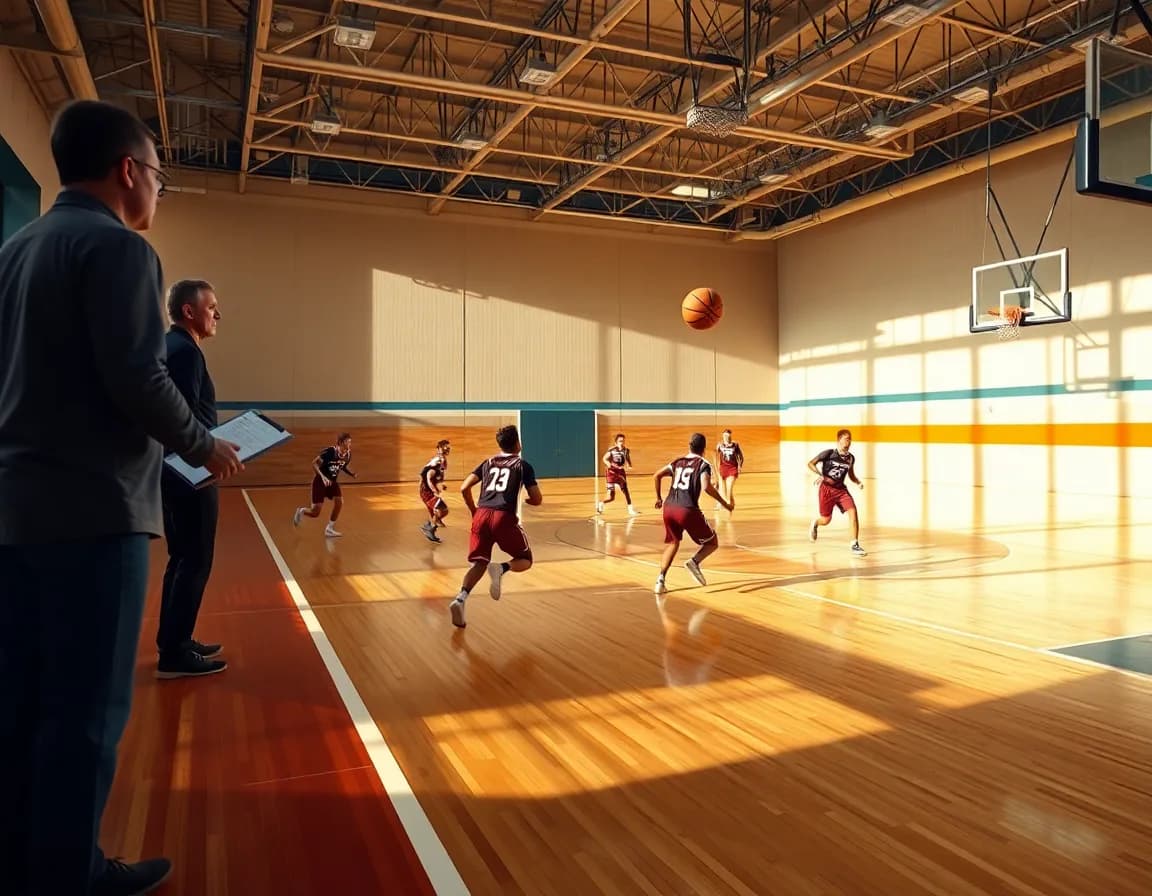
Beating the 1-3-1 zone: concepts and counter-plays
Beating the 1-3-1 zone requires quick ball movement and finding gaps from middle to sides. Move the ball with tempo to open lanes, then attack the gaps as the defense pivots. In your weekly teaching cycle you can design drills that emphasize ball reversals and middle-to-sides distribution, then visualize the action with diagramming and animation of plays. But the plan should also include how you store and review clips of the sequence, so you can teach it again before the next game. The coaching space can keep the flow organized with structured training plans, a drill library, and the ability to upload clips for later review.
Attack weak zones with quick reversals and midline penetration. If the elbows or corners seem soft, aim for a skip pass to the far wing and then drive through the middle or hit the high post for a read. In practice, a short series of passes across the line and a decisive drive can force the zone to shift, creating open shots or a kick to the opposite corner. Use this concept as a reusable sequence in your playbook and map it to scout notes so you know which angles tend to yield the best looks against that 1-3-1. Store the teaching progression as a PDF or slide deck and pair it with clips that demonstrate the exact pass angles.
Counter traps with programmed rotations and a quick outlet pass. When the ball gets trapped, trusted rotations keep the offense alive: swing to the next open player, then outlet to a safe target on the perimeter before reversing to the weak side. Build a short, repeatable rotation into your drills, and annotate it with a quick outlet option. Diagram and animate the response so players see the timing, then upload a clip of the read to your scouting notes for game prep. End with a ready-to-use sequence you can export to your playbook before the next practice.
Teaching the 1-3-1 with video, playbooks, and PDFs
Within the weekly cycle, a structured training plan for the 1-3-1 offense basketball connects drills, video review, and scouting into one repeatable routine. Start with practice blocks around the core rotations you want your players to execute against common looks like corner traps and wing traps. Use diagram boards to show trapped rotations and outlet options, so decisions become automatic under pressure. Emphasize options from the high post and elbow, and how the ball should swing to shooters or cutters. This setup keeps your team progressing week to week.
Build a playbook 1-3-1 that pairs diagrams with labeled rotations and options. Store it in the coaching space and export PDFs for practice pages and scouting packets. Organize playlists by week or opponent tendencies so you can pull up the right set of reps quickly. When you prep for a game, pull the PDF export 1-3-1 to share with assistants and players as a reference during film sessions.
Leverage video teaching 1-3-1 to bring the actions to life. Upload clips from drills or simulated pressure, manually cut and annotate the key moments, and organize them into a reusable library for future seasons. Animate key plays so players can see the trap, outlet, and reset options in motion, then drop the clips into your playlists to run in quick reviews before practice. Use clip management to keep everything searchable by term like corner trap or elbow pass.
Finally, add scouting notes to the coaching space that focus on how opponents defend the 1-3-1 and how your rotations respond. Link those notes to the week's plan so your next practice directly addresses weaknesses spotted in film and live looks. The result is a cohesive loop where video, playbooks, and PDFs reinforce every teaching cue on the floor.
Scouting and game-prep against 1-3-1 opponents
Against a 1-3-1 opponent, scouting starts with a focused week. In the coaching space, pull scouting notes on typical traps, rotations, and weaker weak-sides. Tag clips so you can filter by corner trap, wing trap, or high post rotations. Build a one-page scouting sheet labeled 'scouting 1-3-1 opponent' that maps where the trap triggers, which players are involved, and which rotations lag. Use CourtSensei's structured training plans and the drill library to design counter drills that mirror what you expect to see.
Identify personnel and timing patterns to tailor your attack plan. Notice who handles pressure on the ball, who moves fastest to the weak side after a trap, and who launches shots off quick reversals. The timing of the top defender's rotation and the weak-side cutter can set your rhythm. Create game-prep sheets that translate scouting into practice habits, align them with your game-prep 1-3-1 plan, assign drills from the library and linking diagrammed plays to specific players so your staff can replicate the action in practice.
Create game-prep sheets that translate scouting into practice habits. Use the diagramming and animation tool to show how your attack should beat the 1-3-1 traps, and attach video clips to each scenario for quick reference. Classify clips by trigger such as corner trap or wing trap and by rotation such as top or weak side so players see the right read. In your weekly cycle, select drills from the library that address those reads, sync them with the drill plans, and use the clip management workflow to share a read-only link with the staff. The result is a concrete practice focus that turns scouting into action.
FAQ
What is the 1-3-1 offense in basketball?
The 1-3-1 is a productive setup with one at the top, three across the middle, and one on the baseline. The top guard starts the trap and funnels ball movement toward the teeth of the defense. The three across deny reversals and squeeze passing lanes, keeping pressure on a tired defense. Pair this with clear spacing and defined rotations for weekly drills.
How do you attack a 1-3-1 zone defense?
Attack the 1-3-1 by emphasizing ball movement to pull the defense out of position. Look for middle penetration and timely skip passes to the weak side. Use a high post entry to threaten reversals and keep spacing to open lanes. With disciplined timing, your team can force rotations and create clean looks.
What are the best plays against a 1-3-1 zone?
These plays exploit corners and the short corner, then use a high post read to reverse to the weak side. Start with a corner trap entry to the high post, quick reversal, and a skip pass to the opposite wing for a shot or drive. Use a wing trap variation to create a second action, then reset if needed.
What is a Potsdam variation in the 1-3-1?
The Potsdam variation stretches the floor and shifts rotations to keep the defense honest. It emphasizes spacing on the weak side and a quick middle read that leads to a skip or drive. Install it as a weekly wrinkle, pairing it with trap drills and high post reads in your plan.
How can you beat a 1-3-1 zone defense from the corner?
From the corner, execute a corner attack with a quick entry to the high post, then reverse to the far wing for a skip pass or a drive through the middle. If the elbow opens, drive or hit the short corner and reset. The aim is to pull the defense from the middle and create open looks with proper spacing.
How do you run the 1-3-1 offense for youth basketball?
In youth basketball start with a simple progression. Begin with the base alignment, then add wing and corner traps, followed by rotations and counterattacks as players settle in. Build a small playbook of anchor drills and short plays, and use diagrams and video to install timing. Emphasize fundamentals and a steady pace.