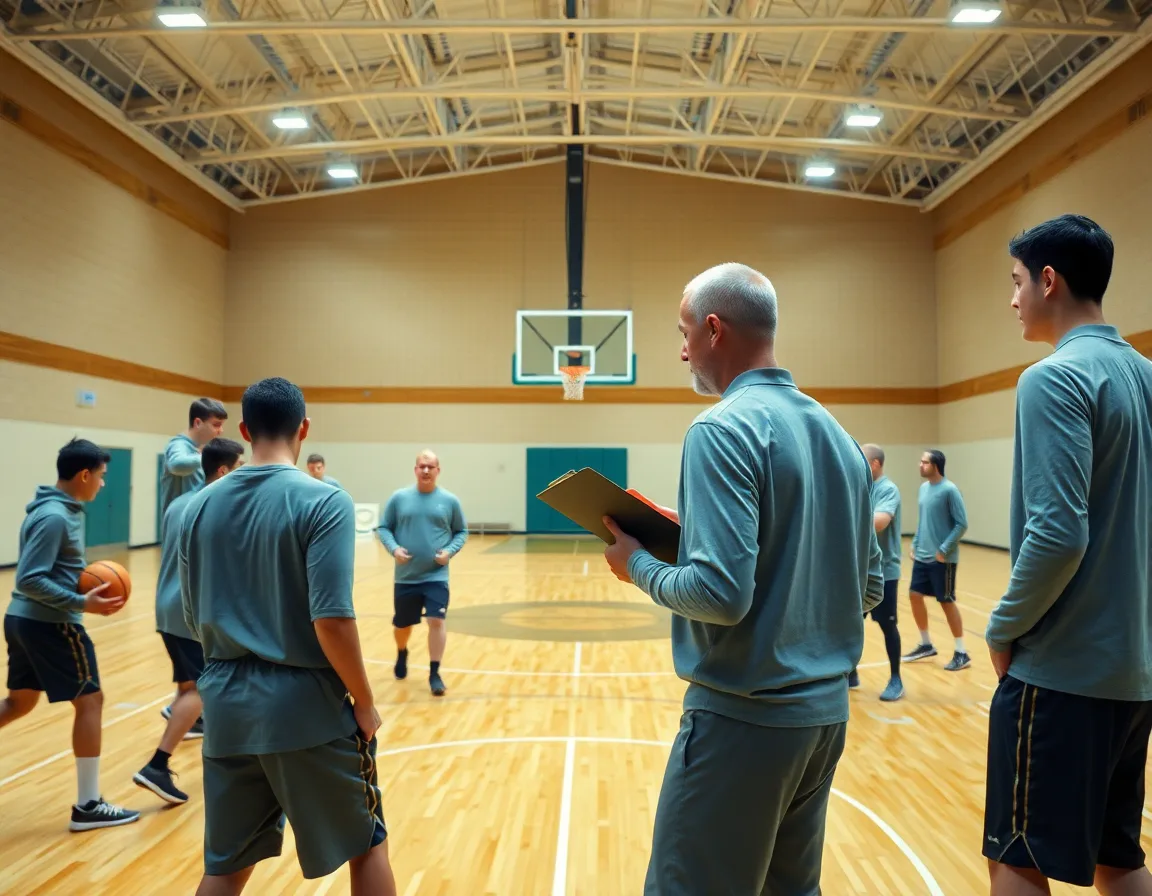
Simple Basketball Offense: Spacing & Movement
Coaches will find a practical guide to simple basketball offense emphasizing spacing, off-ball movement, and ball reversals for weekly game prep.

Key takeaways
- Adopt a spacing-first philosophy this week; emphasize ball movement and reads over fixed sequences.
- Center teaching on read the defense principles so players react to shifts rather than scripts.
- Keep the playbook small and rotation-friendly to avoid overload and speed up learning.
- Extend the weekly workflow by diagramming spacing and reads, build a motion offense playbook, export PDFs.
- Structure a practical weekly workflow with daily drills, a clip library, and staff-ready PDFs.
Frame a simple offense philosophy for weekly practice
Frame a simple offensive philosophy for the week: spacing and ball movement over fixed sequences. Focus on spacing and movement without the ball to build decision making. Center teaching on read the defense so players react to shifts rather than follow a script. Use a small playbook and drill library to translate concepts into practice. Tie the philosophy to the coaching workspace: plan drills, track progress, and export playbooks for staff.
Center your teaching on read the defense principles so players react to shifts instead of executing a script. A few core concepts keep the offense easy to teach, such as pass and cut, drive and kick, and ball reversal. Keep the playbook small and rotation friendly so players understand where to go without overload. The coaching workspace supports this by letting you diagram spacing and reads, build a motion offense playbook, and organize scouting notes for a cohesive weekly workflow.
That aligns with how motion offense works in practice:
Motion offense is a principles-based system where players read the defense and make decisions rather than execute scripted plays. opisni anchor
Extend the weekly workflow: use CourtSensei to diagram spacing and reads on the tactic board, assemble a clip library of short video clips illustrating reads, and export PDFs for staff meetings. The system also helps organize scouting notes that feed into game prep notes and weekly adjustments. For coaches in HS or club settings, this keeps the offense cohesive across practices and games, and makes the translation from concept to drill and to clip easy.
Spacing and movement without the ball: the core rules
In a weekly offense plan, treat spacing as the spine of your work. Establish floor spacing to create passing lanes and driving angles. Use motion to map out where players occupy space, then diagram those reads in your coaching workspace for easy reference.
Spacing means teammates occupy different useful areas so one defender cannot easily cover two players and the ball handler can see passing and driving lanes. Basketball spacing for beginners: 5 spots and simple rules
Prioritize movement without the ball to open reads and options. When players relocate, it pulls defenders and opens back cuts, flare actions, and drive and kick chances. Put this into progression drills that make spacing a habit rather than a reaction.
Reinforce ball movement and ball reversal to reset the defense. Quick passes across the floor keep the defense off balance and prevent it from reestablishing its shell. Emphasize that every drive should end with a reset pass to maintain spacing and keep the offense flowing.
Teach simple cues for pass and cut and screen away counters. A crisp pass followed by a cut, or a screen away into a quick option, can become routine with consistent coaching cues. Focus on timing, space, and balance to make reads feel automatic.
Use progression drills to engrain spacing as a habit. Start with stationary passes and cuts, then add reads and diagonal movement, and finally live looks with defenders. When this becomes part of the weekly workflow, export PDFs, build a motion offense playbook, create a clip library, and organize scouting notes to support the plan.
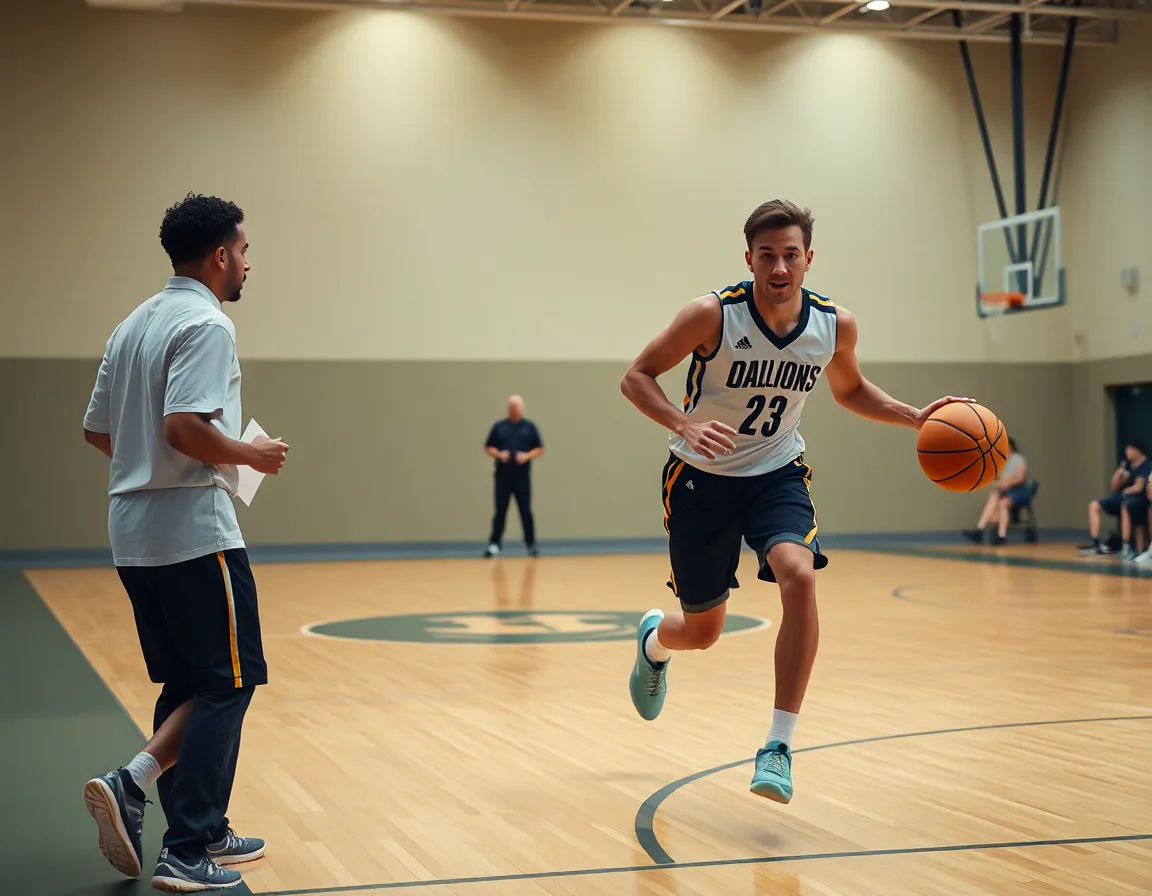
Install a motion cadence that fits your roster
Install a motion cadence that fits your roster by choosing a cadence such as five-out, four-out one-in, or three-out two-in. The choice sets the tempo for your week and defines the reads you want players to make on ball reversals. In CourtSensei you plan this cadence in your coaching workspace and build a weekly routine around the chosen paradigm. Use it to organize drills, spacing, and reads in one place.
Progress from a 5 on 0 install to 5 on 5 reads to reinforce timing. Start with spacing drills that focus on ball movement and keeping the floor aligned, then layer in timers and cues for when to pass, cut, and reverse. The coaching workspace lets you sequence these steps, attach diagrams, and track progress week by week.
Integrate screening as part of the flow, with patience to read defense before deciding to pop, roll, or slip. Emphasize reads like drive and kick or pass and cut and use plan views to show options. In your workflow, you can include a short video clip showing the read and a counter in the clip library for quick reference.
Designate a clip library for quick reference on reads and counters. Keep clips labeled by action name and by defensive cover, so assistants can pull up a sequence before a team meeting. The library supports a consistent language when teaching concepts like spacing and movement without the ball.
Document spacing links and reads in the playbook for assistants. Link each action to a specific diagram and a short description of the read, so help is clear during weekly walk throughs. As rosters shift and seasons move, this living document keeps everybody aligned around the same spacing and read expectations.
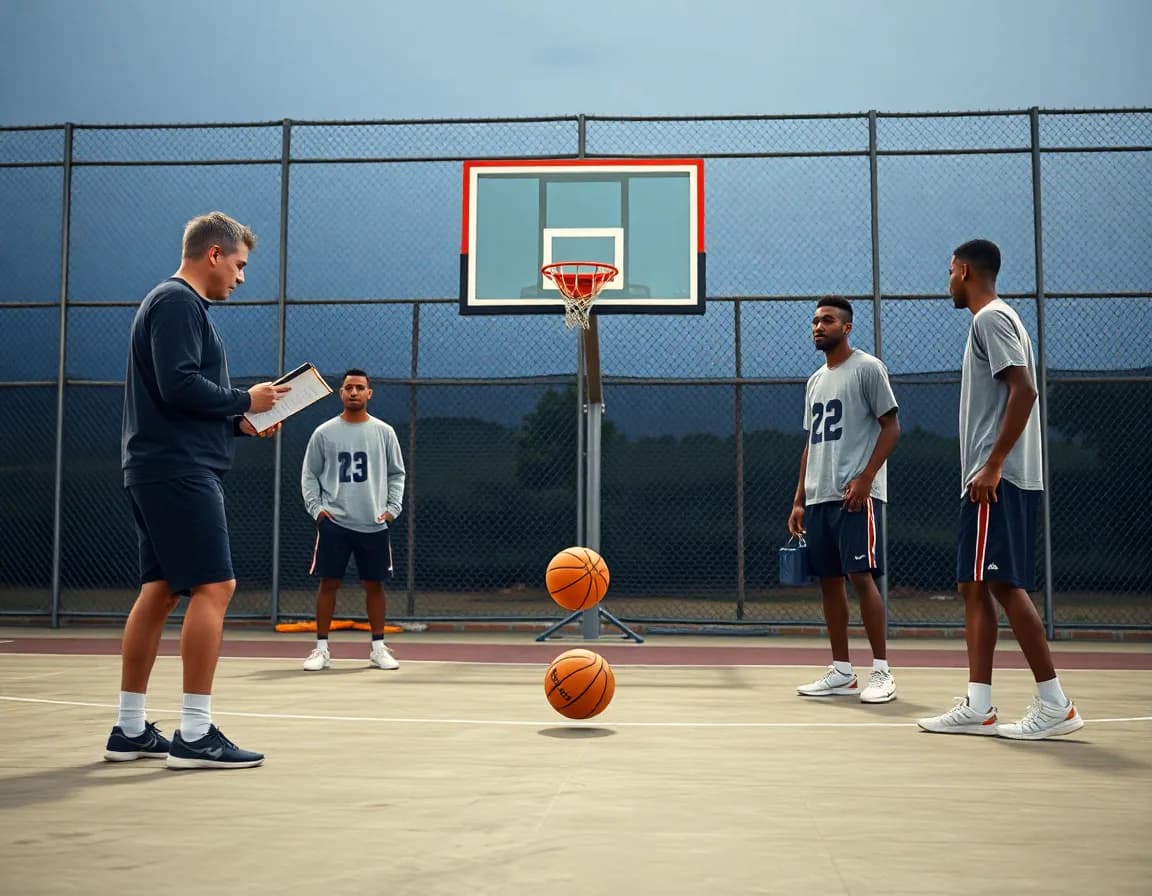
Practical weekly workflow for simple offense
A practical weekly workflow for simple offense keeps spacing and movement at the center of planning. In CourtSensei's coaching workspace you can plan weekly offense drills and motion reads, diagram spacing and reads, build a motion offense playbook, create a clip library, export PDFs, and organize scouting notes to support a cohesive weekly workflow.
- Day 1: install drills in 5 on 0, introduce basic reads, and establish spacing.
- Day 2: progress to 5 on 5 reads, run counters, and review timing with clips.
- Day 3: rotate spacing patterns to fit roster and opposition.
- Day 4: use the shared workspace to diagram actions, build playlists, and export PDFs for staff.
- Day 5: end the week with a quick film review to reinforce decisions.
In practice, the plan starts with a clean 5 on 0 install to lock in spacing and ball movement, then builds to 5 on 5 reads that test timing and decision windows. Use the read the defense and ball reversal concepts to shape each session, then layer in drive and kick and pass and cut sequences as players get comfortable. The workflow relies on a living motion offense playbook that grows with each clip from practice, so spacing and movement without the ball stay crisp and predictable. The clip library becomes the quick reference for reads and counters, while PDF export keeps staff on the same page when meetings happen off the court.
By week's end, the coaching staff has a ready to use plan in the playbook, a tightly organized clip library, and PDFs to share with assistants. The quick film review reinforces decisions and ensures the team is aligned on spacing and reads for the next cycle.
Building a clip library and playbook to support the offense
To support a simple offense, set up a robust clip library and a practical playbook inside your coaching workspace. You plan weekly offense drills and motion reads, diagram spacing and reads, and build a motion offense library you can trust in practice. This approach keeps your weekly workflow tight and lets you review what your team actually does in live action.
- Organize your clip library by reads, counters, and ball reversal sequences, so you can quickly match actions to concepts.
- Leverage video to fix misreads and reinforce correct reads in live actions, using clear comparisons between teachable moments and on court results.
- Create a reusable playbook with spacing rules, reads, and counters, and link each play to a set of motion reads for easy reference during practice.
- Export PDFs of plays and share with assistants and players as needed, giving you a portable reference you can distribute at a moment's notice.
- Link clips to specific drills and practice plans for quick review, ensuring each session has a targeted clip ready to reinforce the planned reads.
Link these assets to your weekly routine so you can review reads and spacing before practice and pull the right clip or PDF for a quick review with assistants. Export the weekly set as a PDF to share with assistants before the next practice.
Scouting and countering with simple offense
Using scouting notes to tailor spacing and reads sets the foundation for a simple offense that adapts week to week. A concise scouting report on opponent help angles, hedge timing, and gaps should translate into concrete spacing and reads in your motion offense. In your coaching workspace, attach those notes to each opponent and map them to ball reversal sequences, reads on the wing, and movement without the ball. This keeps your players and staff aligned when you walk into practice.
Prepare counters to punish help defense and gaps. Drive and kick becomes a powerful answer when defenders overcommit to denying a straight line drive, while quick ball reversals and pass and cut reads keep pressure on rotated defenses. Define counters for common defenses, whether they hedge on ball screens or switch aggressively, so players know what to do next without overthinking. Practice these counters in drills that emphasize reading the defense and reacting with purpose.
Align reads and counters with a unified clip library for quick reference. Create short playlists focused on reads like "read the defense," counters such as "drive and kick," and motion offense actions like "ball reversal" and "movement without the ball." A single, well organized clip library lets you show the exact sequence in scout meetings, during timeouts, or on the whiteboard, without wasting time searching.
Connect scouting material to the coaching workspace for easy access by staff. Link opponent scouting notes to diagrams of spacing and reads, attach PDFs of reports, and store diagrams alongside the playbook. With everything in one place, assistants can pull the right clip and the corresponding drill during a weekly plan.
Practice in drills that emphasize adapt to defense decision making. Use small sided games that force players to read switches, deny gaps, and choose drive and kick, pass and cut, or reset ball reversal based on what the defense shows. The goal is a fluid, responsive offense that stays cohesive even when defenses change.
FAQ
What is motion offense?
Motion offense is a principles-based approach where players read the defense and make decisions instead of running scripted plays. It emphasizes spacing, movement without the ball, and quick ball reversals to keep defenders off balance. Teach reads first, then simple actions so players stay reactive. In CourtSensei, you can diagram spacing and reads, build a motion offense playbook, assemble a clip library of reads, and export PDFs for staff meetings.
Can motion offense work for youth teams?
Yes, but keep it simple. Start with core spacing and reads, not long scripts. Use a progression: begin with a 5-on-0 install, move to 5-on-5 reads, and keep the playbook small and rotation-friendly. CourtSensei helps you plan the cadence, diagram spacing, and build a clip library that reinforces concepts without overload.
What is pass-and-cut?
Pass-and-cut means make a crisp pass to a teammate, then the passer immediately cuts to the basket or open space to create a scoring option. Practice with stationary passes and cuts, then add reads and diagonal movement. In the coaching workspace, link this action to a diagram, a short clip, and a description in the playbook.
What is ball reversal?
Ball reversal is the quick move of the ball from one side of the floor to the other to reset the defense and open new looks. It keeps spacing intact and prevents the shell from reestablishing. Use short clips to illustrate a reversal, and add it to your playbook and clips library in CourtSensei for quick reference.
Why is spacing important in basketball?
Spacing creates passing lanes and driving angles so the ball handler can read options. It prevents two defenders from covering two players at once and keeps reads from clogging. Frame this as the spine of your weekly offense plan and diagram it in the coaching workspace for easy reference during drills and reviews.
How far apart should basketball players stand?
Keep enough space to avoid congestion but stay connected so options come quickly. Position players in useful areas to expose passing lanes and drive angles while avoiding overload. Use the coaching workspace to diagram spacing and track progress, and run a simple five-player rotation drill to practice consistent distance and timing.