Basketball Offenses Against Man-to-Man: Weekly
A coach-focused guide to beating basketball offenses against man-to-man with a clear weekly plan: spacing, reads, and organizing drills, video, and plays.

Key takeaways
- Establish a weekly rhythm: review film, set practice focus, and track outcomes.
- Build a two-phase offense: fast-break transitions and disciplined half-court continuity to pressure man defenses.
- Define spacing 15-18 feet and build screening actions to generate mismatches against man-to-man.
- Prioritize reads and backdoor cuts in your offense against disciplined man defenses.
- Document outcomes, upload clips, export PDFs, and keep scouting notes connected to the coaching workspace.
Weekly Framework to Beat Basketball Offenses Against Man-to-Man
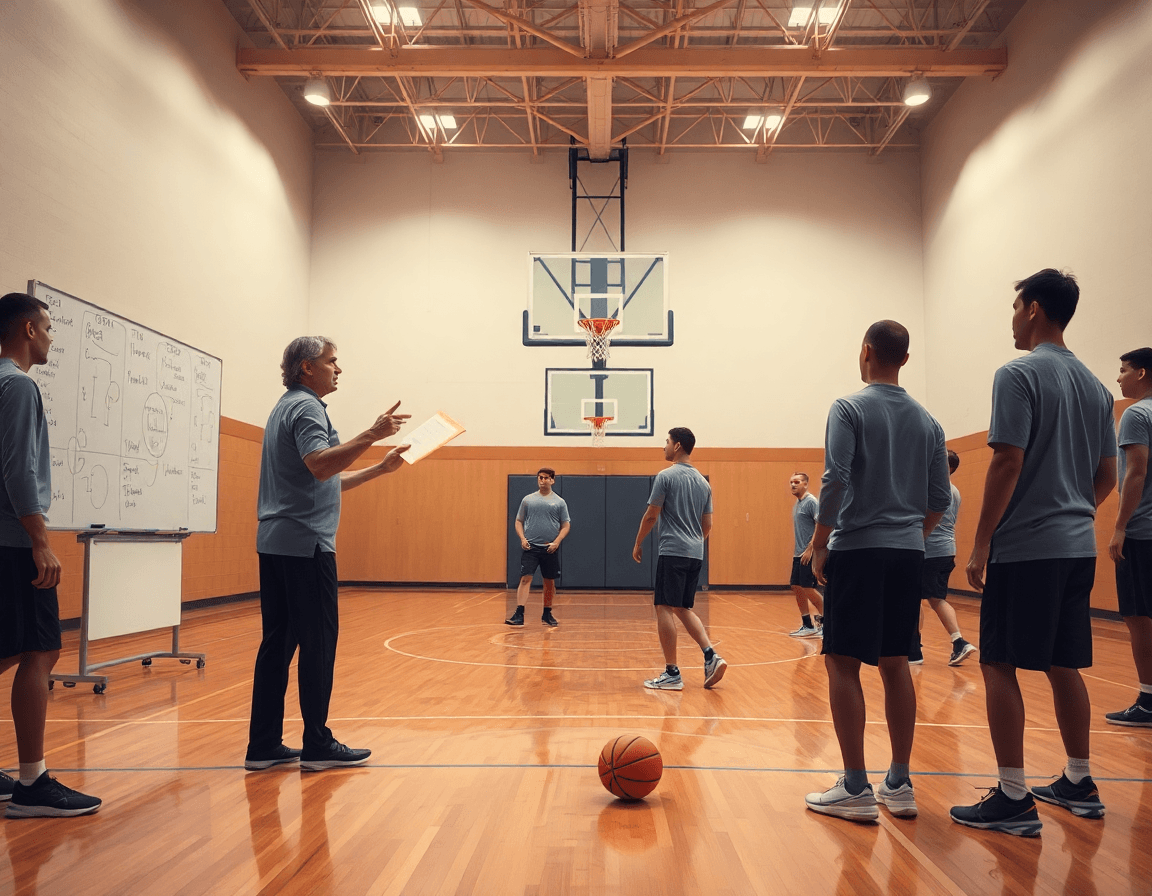
To beat basketball offenses against man-to-man, start with a repeatable weekly plan: review film, assign practice focus, update playbook entries, and track outcomes. Build it around a two-phase offense—fast-break transition and a disciplined half-court continuity—to consistently pressure man defenses. In CourtSensei, you can lay out that weekly rhythm, pull drills from your library, and map the transition options and half-court actions on a single board for easy reference.
Adopt a two-phase offense to keep defenders honest and off balance. In the fast-break phase, emphasize quick ball reversals, spacing to open gaps, and early ball movement to exploit mismatches. In the half-court phase, establish a simple, predictable sequence that keeps players reading the defense rather than overthinking. Define clear spacing rules—where each player must be located and when to reverse the ball—and attach a straightforward read ladder so players know where to be and when to move the ball.
Document outcomes and adjust plans week-to-week using a centralized coaching workspace. Track what worked in your drills library, what actions you animated in the playbook, and which clips you shared with the staff. Upload video clips, clip key moments, and reference scouting notes to refine your approach. Export PDF playbooks for quick on-court installation, and keep everything connected to the scouting reports you build around basketball offenses against man-to-man.
A practical weekly flow helps you stay on target: film review to identify three routes that beat pressure, install spacing and read ladder adjustments, run two-phase sequences in live practice, and end with a quick scrimmage to test the plan. In practice, a short video clip of a primary fast break followed by a secondary fast break can illustrate how you want the ball moving and players relocating.
From Fast Break to Half-Court: Transition Into Strong Man Defense Counters
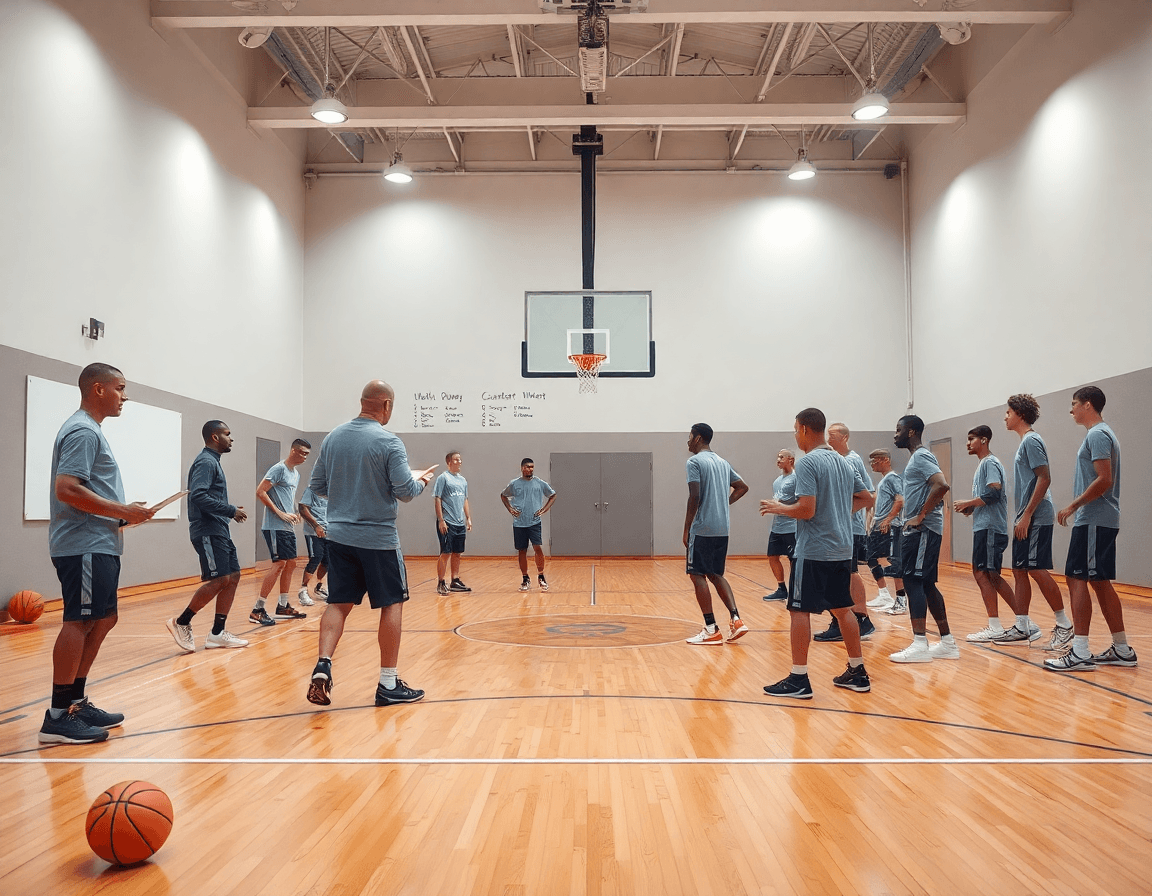
Against a reliable man-to-man defense, a clean transition can set the tone. In a weekly plan, emphasize a primary fast break that aims to capitalize on transitional gaps before defenders can set, followed by a secondary fast break that climbs from a stop or press to generate the next scoring option. In practice, map this progression into a transition offense that flows into half-court sets, so the team can snap from sprint to structure without losing rhythm. Use a labeled playbook to tie these break actions to your upcoming half-court operations for quick reference.
In the planning workspace, embed drills that train spacing, ball movement, and the timing of screens or cuts like a back door attack during transition. As reads develop, link transition options to set plays by tying them to a labeled playbook for quick reference. When video is available, upload transition clips, annotate outcomes, and attach those actions to corresponding drills in the library to reinforce the connection between what’s practiced and what’s seen on the floor.
To translate this into action, structure the week with a quick outlet drill, then a burst into the half court with options off the primary fast break. If defense digs in, rotate to the secondary fast break to maintain pressure and generate a clean reset into continuity offense. After practice, upload transition clips, tag the outcomes, and attach those actions to the matching drills in the library. When ready, export a PDF playbook that staff can study and reference on game day, keeping the transition sequences clear and sharable.
Spacing and Screening: Building Mismatches Against Man-to-Man
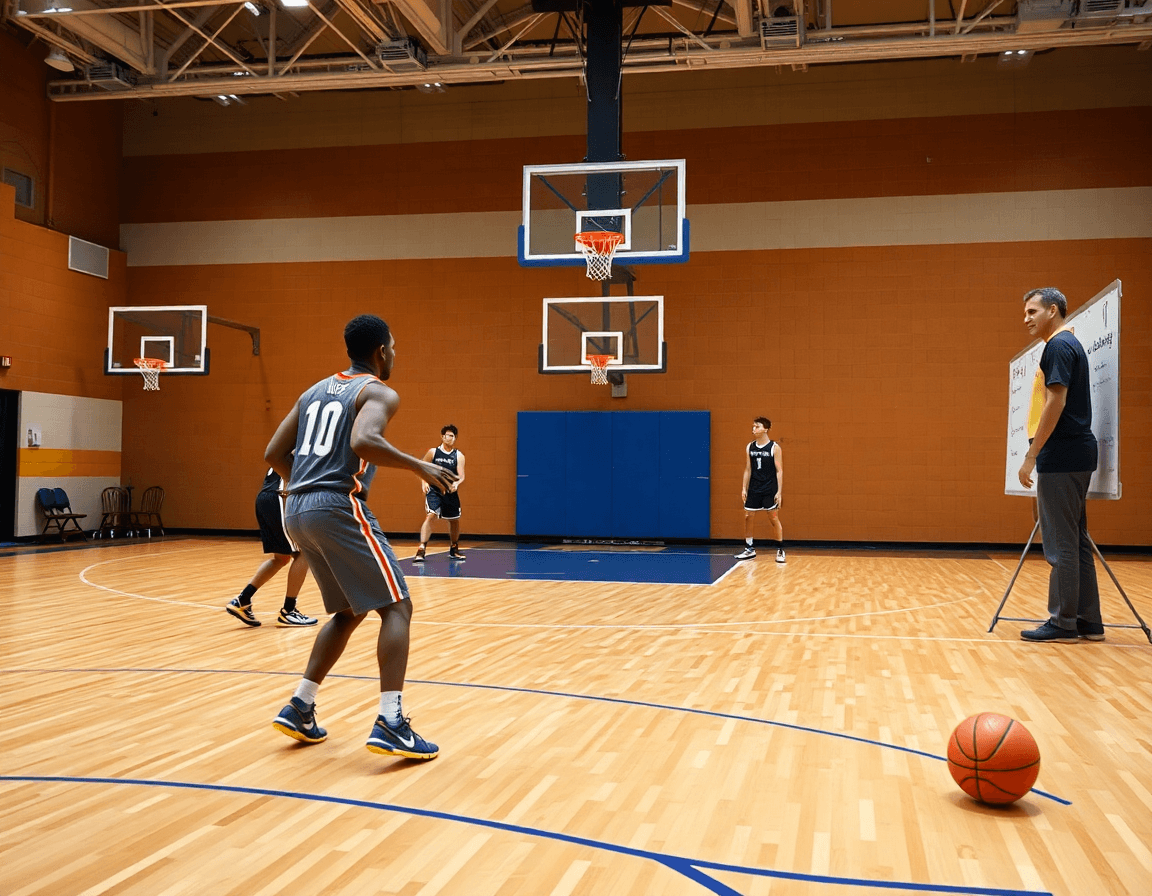
Spacing and the right reads between actions are the backbone of beating man-to-man. In your weekly plan, target spacing of 15-18 feet to stretch the defense and open driving lanes. Build a library of screening actions around it, then draw and animate the sequence on the tactical board. A short video clip from a practice can illustrate how proper spacing translates into options, all stored and exported as a PDF playbook for the next session.
Pin screens, screen-the-screener actions, and cutters are the tools for generating weak-side openings. In the plan, include these sequences and assign responsibilities: when the screener sets a pin, the guard cuts through or the ball reverses to the opposite side. Video clips document the reads, while the playbook entry shows the options, from a back-door cut to a catch-and-shoot immediately after the screen.
Circle offense and amber offense concepts provide flexible reads to exploit defender rotations. In the weekly plan, practice circle cuts and amber ball movement that push defenders to commit early, then reverse the ball. Emphasize off-ball movement and ball reversals to sustain pressure and create high-percentage looks. All actions can be linked into the coaching workspace, so scouting notes and play ideas stay connected to the plan.
Workflow notes: draw and animate actions, export PDFs, upload clips, and attach scouting notes within the personal coaching workspace to support planning and execution. This keeps your weekly routine cohesive: spacing and screening feed the plays, then you share clean PDFs with assistants and players as a read-only link.
Key Plays and Reads Against Man Defense
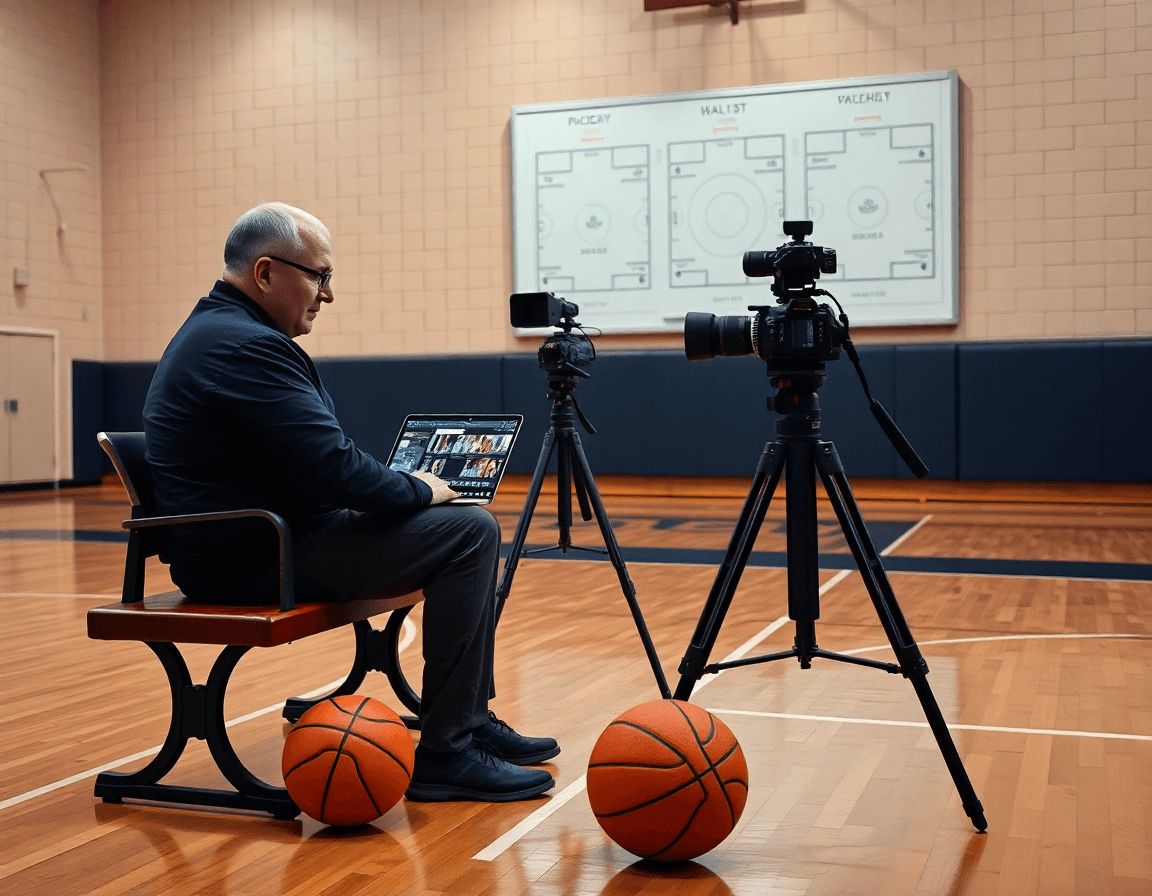
This section focuses on basketball offenses against man-to-man defenses. Against a disciplined man defense, your weekly plan should feature structured reads. Implement backdoor cuts when defenders overcommit, post-entry options, and read-and-react from the perimeter. In CourtSensei, you map these reads into drills in the drill library and connect each action to a named play in the playbook. You can draw and animate the reads to show timing, attach a short video clip, and export a quick PDF for staff review. This setup makes adjustments during practice and in scouting notes easier to reference later.
To counter man defense, employ versatile formations like circle offense and 4x4 offense, with amber offense as an additional wrinkle to layer actions. These structures give you multiple options to adapt on the fly. These structures help you choreograph actions that flow from spacing and ball movement.
Balance inside-out options with outside shooting to keep defenders guessing. Prioritize spacing and ball movement to prevent overhelp, and pair screens and cuts with timely reads. In practice, map these reads to a simple 2-3 action progression you can run in 15 minutes. If a shot goes up, you have a primary fast break and a secondary fast break option. Think about how each action flows into a read on the perimeter.
Link each action to a named play in the playbook for quick coaching decisions. The workflow also supports exporting a PDF export of the playbook, uploading video clips, clipping plays, and attaching scouting notes within your personal coaching workspace to keep planning and execution aligned.
Building a Video and Playbook Library for Weekly Prep
In weekly prep against man-to-man defenses, start with a master library of drills, plays, and clips. Build a coherent weekly plan by linking actions to your game plan—spacing, ball movement, screens, and cuts—so everything flows from warmups to live work. Within the CourtSensei personal coaching workspace, a well-organized video library feeds directly into your playbook, and a clean PDF export makes sharing with staff and assistants simple and fast. That continuity saves valuable scouting time.
Within the workspace, attach scouting notes to relevant plays to tailor practice focus to opponents. If the opponent leans on a back door or a primary fast break, drop a note on the corresponding action so guards and wings know when to attack gaps or adjust spacing. This integration keeps your weekly plan precise during the week and supports timely shifts when scouting reports update.
Create playlists and links to connect drills, video clips, and play calls in the workspace. A playlist for spacing and ball movement can chain a drill into a clip showing a clean screen, followed by the corresponding on-court call. Use links to jump from a clip to the exact play diagram in the playbook, so coaches can review sequences without switching apps. It’s all about linking content meaningfully.
Standardize terminology (entries, screens, cuts) to speed up on-court execution. When everyone uses the same language, you pull up the right clip and start the drill with confidence. Align your weekly plan around common terms and familiar cues—like a back door cut or a secondary fast break—so players and staff move with clarity during practices against man-to-man defenses.
60-Minute Practical Weekly Workflow
Start the week with a 15-minute video review of the latest game tape, focusing on basketball offenses against man-to-man. Identify two tactical priorities you want to address, then tag the most relevant clips and drop quick notes into your planning templates. For this week, consider how spacing and ball movement can unlock a back door or a clean entry pass. The goal is a crisp, action-ready read on where to pressure a defense and where to exploit mismatches.
Next, 15 minutes to update the playbook with new actions and their drills. Use the draw and animate tools to place the new action in the playbook, then pull a matching drill from your drill library and map it to a simple sequence—pass, screen, cut. Clarify each step so players see how the action flows in real-time, and attach the video clips you marked during the review as reference. This keeps your planning templates accurate and actionable.
In the third block, run a short practice emphasizing transitions and spacing. Keep it tight: quick break out of half-court sets, then tighten spacing to open driving lanes or back-cut opportunities. Document outcomes—how clean were the passes, did spacing hold under pressure, did the timing on screens hold up in live movement? Capture a few clips to illustrate progress and tag them back to the corresponding play in the workspace.
Finally, dedicate 15 minutes to plan assignments, export a shareable PDF, and prepare clips for the next meeting. Assign responsibilities for the upcoming week, generate a PDF export of the updated playbook for staff and players, and assemble clips that support the scouting notes for game prep. All steps are tracked within the coaching workspace, ensuring clear accountability and a ready-to-share coaching schedule.
FAQ
How do you beat a man-to-man defense in basketball?
To beat a man-to-man defense, start with fast, purposeful ball movement and deliberate spacing to open driving lanes. Attack gaps with quick reads, use off-ball screens, and mix pin-screen actions to force rotations. Maintain a simple two-phase rhythm: a quick transition into a disciplined half-court set. In CourtSensei, you can map these reads to drills, link them to playbook entries, and export a PDF for staff.
What common man-to-man offense formations work against man-to-man defenses?
Common man-to-man offense formations include circle cuts, amber ball movement, and screen-the-screener sequences, plus back-door opportunities when defenders overcommit. Build a library of these actions, sketch the reads on a tactical board, and connect each action to a named play in the playbook. Export PDFs for on-court installation and reference scouting notes to keep the plan cohesive.
How does spacing impact attacking a man-to-man defense?
Spacing matters: aim for 15-18 feet to stretch the defense and create driving lanes. Proper spacing makes reads easier and reduces help rotations, while keeping shooters ready for ball reversals. In a weekly plan, map spacing rules, attach a clear read ladder, and link transition options to your half-court actions so players stay studiously aware.
What is the purpose of screen-and-cut against man-to-man defense?
Screen-and-cut's purpose is to generate openings when defenders overcommit and to create back-door timing. Use screen-and-cut patterns like pin screens and screen-the-screener to keep the defense guessing. Teach reads from the perimeter and post-entry options, then connect these actions to drills and named plays in the playbook. Export, clip, and reference via PDFs for efficient installation.
How can you create mismatches against a man-to-man defense?
To create mismatches, align your ball-handler with bigger or slower defenders, use off-ball screens, and pace your attack to pull rotations. Favor quick ball reversals to force switches, then exploit the new mismatch with a targeted action. In CourtSensei, document the setup in drills, attach the action to the corresponding play, and track outcomes to refine.
What are some plays to beat man-to-man defenses in transition and half-court?
Beating man defenses in transition hinges on a primary fast break that taps immediate gaps and a secondary fast break that develops after a stop. Map these into a transition-to-half-court sequence, so playbooks stay clean. Upload transition clips, annotate outcomes, and export a PDF playbook for staff use on game day.