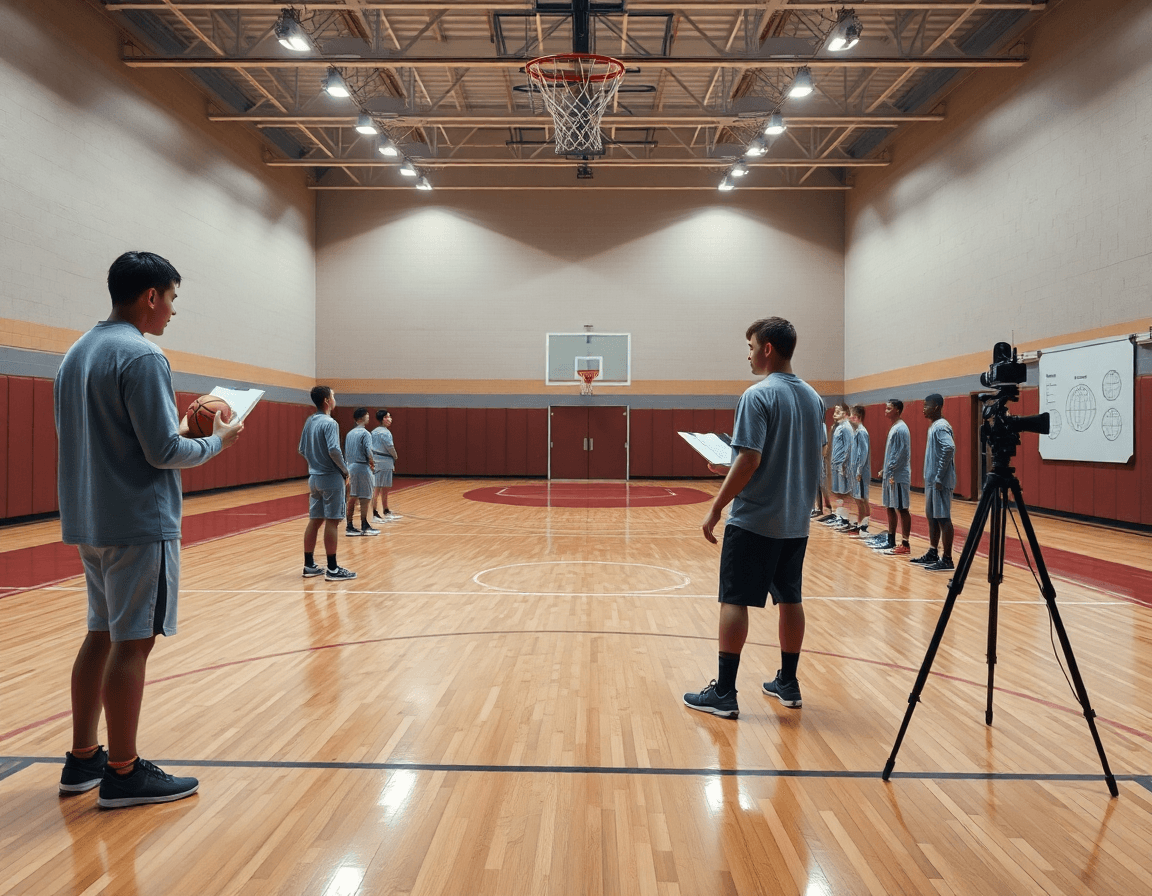
Basketball Player Development Form: Weekly Plan
A coach-focused guide to weekly development using basketball player development form, with drills, video feedback, and scouting via playbooks.

Key takeaways
- Set clear weekly targets around shooting form cues—balance, eyes on the rim, elbow alignment—and track progress with clips.
- Structure time-blocked sessions that progress from near-range form shooting to game-speed reps, backed by review clips.
- Curate a form-focused drill library tagged by B.E.E.F. model cues—balance, elbow, eyes, follow-through—for repeatable weekly cycles.
- Create and share a printable PDF plan for assistants, with daily blocks and ready-to-run worksheets.
- Link scouting notes to form goals so game prep shapes drills; assemble targeted corrections via video playlists.
Weekly development plan for shooting form
Set clear weekly goals around shooting form cues: Balance, Eyes on the rim, Elbow alignment, and Follow-through. Frame the week so targets become small, trackable milestones on the court. In the coaching workspace, these goals guide a repeatable routine that ties drills, clips, and scouting notes to form development.
Structure time-blocked sessions that progress from near-range shots to game-speed reps. Start with focused form shooting from 2–4 feet, then move to catch-and-shoot from mid-range, and finish with shots off movement or after a defender challenge. Each block includes a short video clip to review technique and capture manual feedback, keeping the loop tight and actionable for the next session.
Curate a form-focused progression in the drill library to build consistency. As you add entries—balance drills, elbow alignment queues, and a steady follow-through—these drills become linked to clips and coaching notes within the workspace. The result is a repeatable weekly workflow that scales the same way for different groups: junior varsity, varsity, or semi-pro reserves.
Create and share a printable plan (PDF) for assistants and staff to follow. The PDF provides a clear blueprint: daily blocks, target cues, and ready-to-run worksheets that keep everyone aligned. Pair it with a concise playbook featuring the key drills and a quick-form checklist so watches and practice reports stay synchronized.
Link form goals to weekly scouting notes and game prep material. By weaving shooting-form targets into scouting and opponent prep, the workflow becomes a living document in the coaching workspace—ready to adjust for tendencies and game context while maintaining a consistent development rhythm.
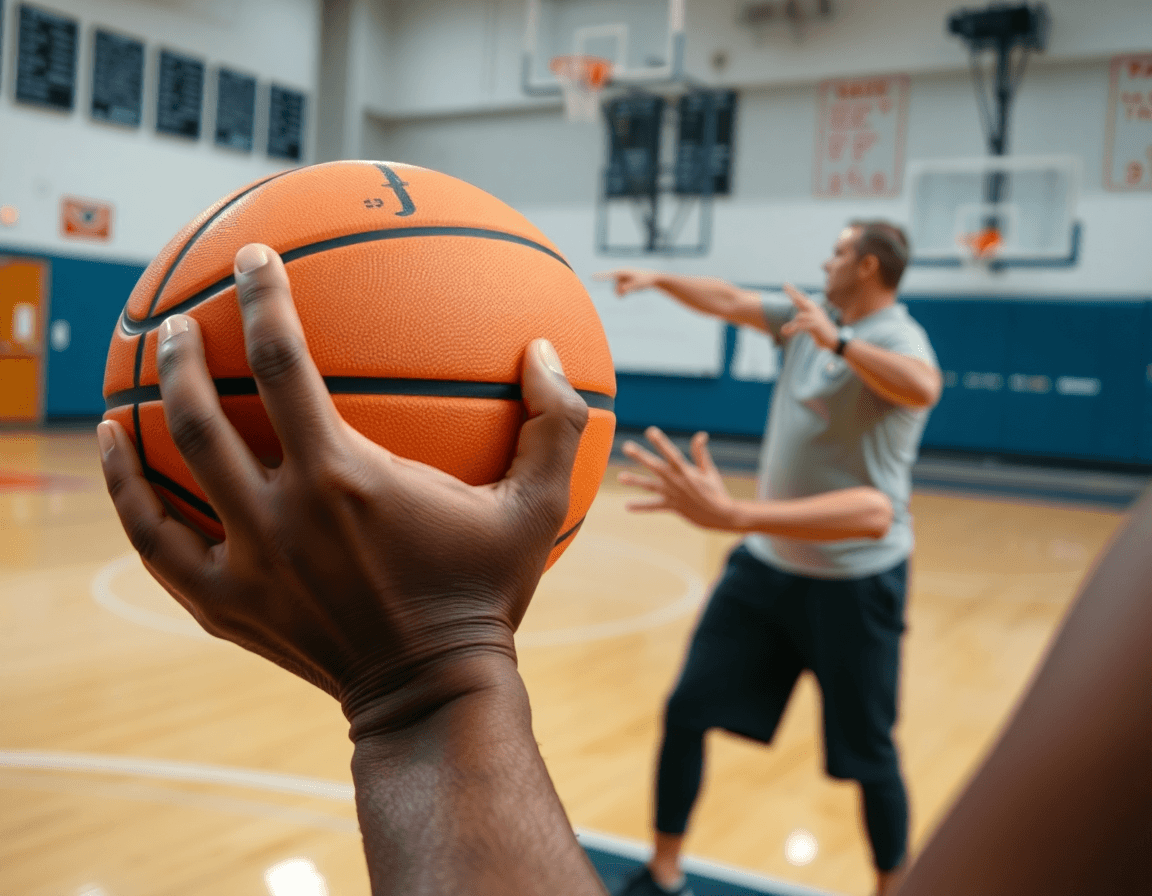
Curate a form-focused drill library
Start by building a focused, form-oriented drill library. Select drills that specifically address balance, elbow alignment, and follow-through, and tag them so they’re easy to pull into a weekly cycle. This becomes the backbone of your plan: a set of form shooting drills that feeds the coach’s shooting progression from session to session. The library should feel searchable and repeatable for you and your assistants, ready to deploy in a hurry.
Organize sequences from close-range form shooting to catch-and-shoot and spot shooting, so your athletes develop the same mechanics in different contexts. Build a logical progression: start with form-focused reps, then step into range and movement. In CourtSensei you can export this weekly sequence as PDFs or add it straight to a playbook, keeping everyone on the same page.
Tag drills by cue to simplify weekly assembly and accountability. Use the B.E.E.F. model as a framework—balance, elbow, eyes, follow-through—then label each drill with cues like balance, elbow, or arc. This tagging makes it easy to assemble a balanced, week-long rhythm for shooters, and to pair clips that illustrate the cue during video feedback.
Use playlists to group drills into a cohesive weekly progression for players and assistants, aligning them with your shooting-form goals. A playlist can bundle a close-range sequence, a catch-and-shoot arc, and a quick video clip review into a single block. This is where video feedback workflows begin to live—attach a short clip to each drill so you can see the form in real time.
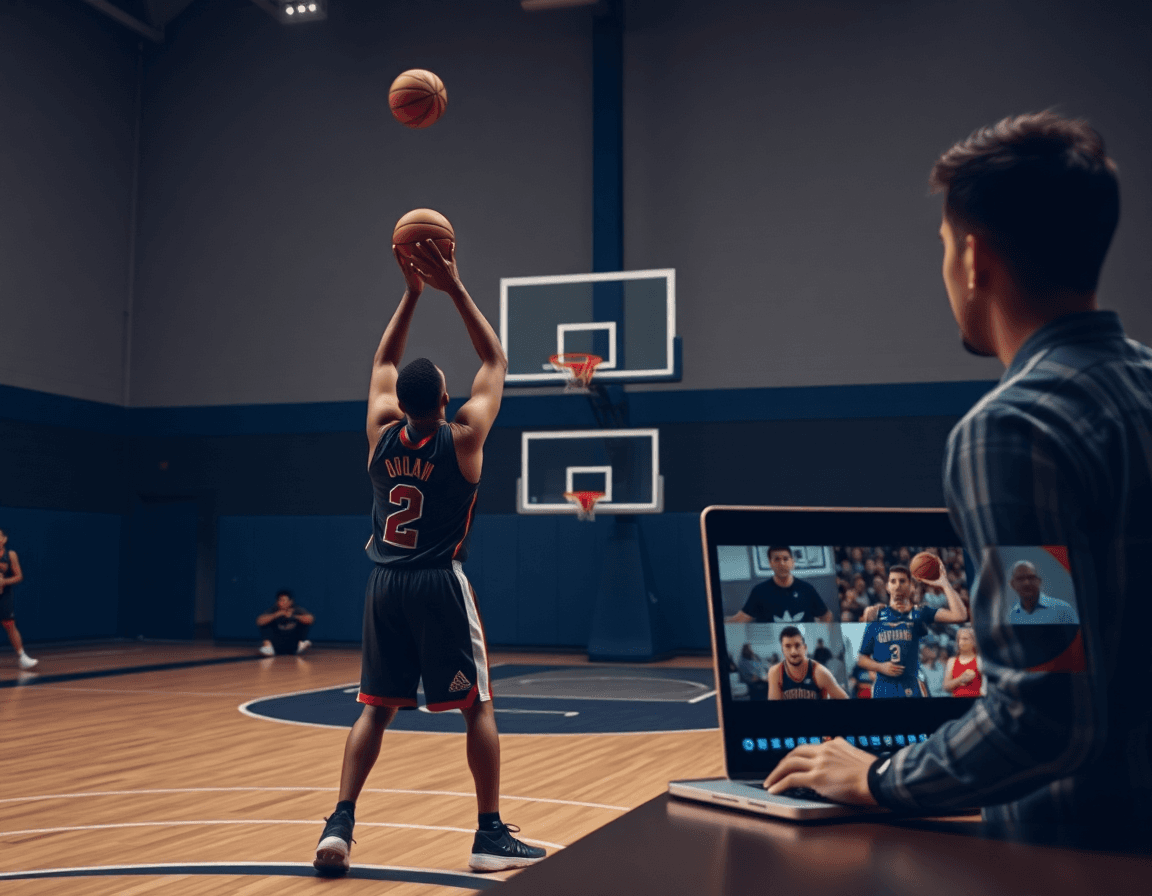
Video feedback workflow: diagnose and correct form
Begin by uploading clips from recent shooting sessions and cutting to moments that illustrate form cues. The clip editing step isolates reps showing the key checkpoints—elbow alignment, wrist position, and follow-through—so you have a concise visual baseline for the week. This is the core of a practical video feedback loop that fits neatly into a coaching workflow.
Annotate each clip with diagnostic cues and before/after examples to guide corrections. Call out what to look for at each stage of the shooting motion and show a clean example of proper form alongside the current variant. Tie the notes to the B.E.E.F. model and emphasize elements like elbow alignment and follow-through. The goal is to create clear, repeatable cues that a shooter can reference during practice and in the video review.
Assemble playlists of correction clips for individual players or groups. Group clips by focus area—elbow alignment, hand position at release, or rhythm of the shot—to form a targeted learning path. These playlists serve as a quick-hit curriculum for form shooting drills and progression, so a coach can monitor progress across the week without rebuilding the wheel every time.
Share read-only links with players and staff for consistent feedback. Establish a single source of truth where everyone views the same diagnostic notes, clips, and correction playlists. This keeps shooting-form development cohesive—players study the cue, watch the corrective clip, and apply the adjustment in drills, all within the coaching workspace.
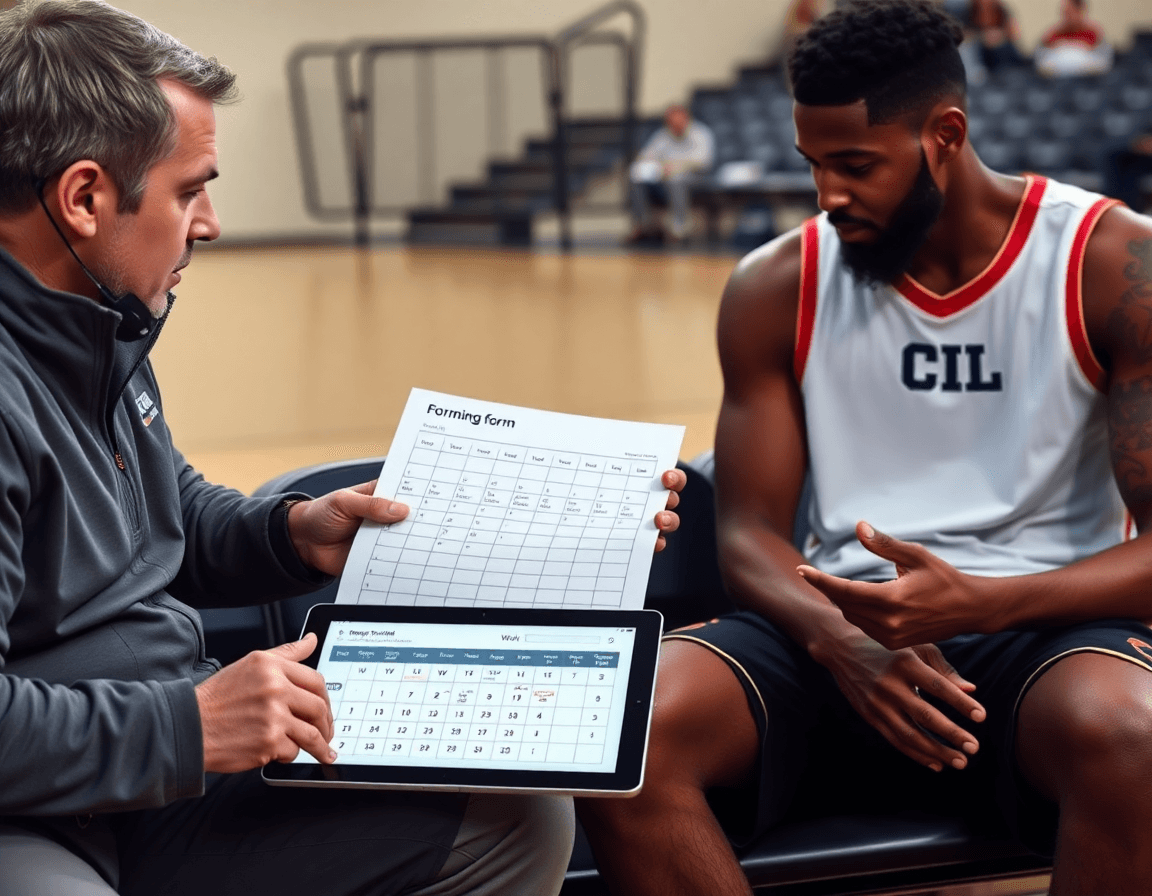
Integrating scouting and game prep into form work
A coach can attach scouting notes to the development plan to inform drill emphasis. This creates a weekly rhythm where game prep directly shapes the shooting progression. If a scouting note flags a defender who pressures catch-and-shoot attempts, designate form shooting drills that emphasize balance and elbow alignment. Use a short video feedback loop with clips linked to the plan, and assemble a playlist of drills that align with those notes so that each session builds on the last.
On the tactical board, map opponent observations to form cues and practice adjustments. For example, if scouting reports show a shooter facing tight closeouts, cue the shooter to maintain proper elbow alignment, steady balance, and a crisp follow-through under pressure. Apply the B.E.E.F. model—Balance, Eyes, Elbow, Follow-through—to diagnose and drive shooting form improvements. Clip a defender's closeout and use that footage to anchor a quick video feedback sequence during dry reps or live drills.
Export PDFs of scouting-guided drills to share with staff and players. By linking scouting reports to a shooter’s weekly plan and to a curated playlist of form shooting drills, you give the team a clear game-prep context. The PDFs can show a progression from stance and balance to elbow cues and follow-through, with reference clips and notes included. In CourtSensei, this connected workflow—from scouting notes to drills to video clips to PDFs—supports a repeatable weekly routine that centers on shooting form.
Progress checks and accountability
Within the weekly plan, you weave progress checks into every shooting block. Use cue-based indicators—balance, elbow alignment, follow-through—to gauge improvement from drill to drill. Pair a form shooting drill with the B.E.E.F. model and a quick video clip to see if the elbow stays in line, the feet stay under the center, and the follow-through finishes high. Record these cues in your coaching notes and celebrate small wins to reinforce correct technique and keep the focus on consistent shooting form throughout the week.
Set SMART weekly goals for shooting progression and conduct brief progress reviews at midweek. SMART goals might target balance at release, elbow alignment, or the consistency of follow-through across 50 reps. Use those checkpoints to decide which drills to extend in the plan and which clips to show during a quick team meeting. The goal is a clear line from weekly targets to daily drills, so your shooting progression stays measurable and actionable.
Close the loop by documenting outcomes in the coaching workspace. Link the results to the drill library, the form shooting clips, and the scouting notes so next week’s plan can start from a data-informed baseline. Store short video feedback clips, updated PDFs or playbooks, and a new set of cue-based targets, then run the next cycle with a refined focus on shooting form. This is how teams build a repeatable weekly workflow that directly supports growth.
Practical workflow: 7-day shooting-form week
Think of a 7-day frame as your basketball player development form blueprint. With CourtSensei, you lock a time-blocked weekly workflow around shooting form, tying drills, video feedback workflows, PDFs/playbooks, and scouting notes into one coaching workspace. Use the B.E.E.F. model—Balance, Elbow, Eyes, Follow-through—as your north star for every day.
Day 1 – Plan and cue setup: finalize weekly form goals and plan drills. Start with a clear plan for Balance, Elbow alignment, Eyes on target, and Follow-through, then map each goal to a core form shooting drill from your library and a cue sheet. This sets the week’s rhythm.
Day 2 – Close-range form shooting: emphasize balance and elbow alignment. Run concise form shooting drills at close range to build the feel of a solid base and proper elbow path. After reps, snap a quick clip to verify cues and keep the progression intentional.
Day 3 – Video capture: record near-game-speed reps for feedback. Upload clips to the coaching workspace, tag by drill, and stage a short video feedback loop. Link clips to playlists and scouting notes so you can review context alongside technique.
Day 4 – Feedback and adjustments: annotate clips and update playlists. Add notes on elbow path, release timing, and follow-through, then shuffle the shooting progression in your playlists to reflect new insights.
Day 5 – Game-speed integration: apply corrected form in 2–3 game-like drills. Tie in movement, screens, and catch-and-shoot reps, letting the updated form surface under pressure with visible progression.
Day 6 – Playlist review: refine drill order and progressions based on results. Reorder drills to reinforce the most effective progressions and prepare a concise shooting progression in your PDFs.
Day 7 – Evaluation and plan update: summarize progress and set next-week targets. Capture a brief performance snapshot and plan the next cycle, keeping the weekly workflow tight and repeatable.
FAQ
What’s the best way to teach shooting form to beginners?
Start with clear form cues: Balance, Eyes on the rim, Elbow alignment, and Follow-through. Set a weekly rhythm that pairs drills with short video reviews to keep corrections actionable. Begin with form shooting at 2–4 feet, then progress to mid-range catch-and-shoot, and finish with movement shots. Tie drills to the cues in your drill library and export a printable plan for assistants in CourtSensei coaching workspace.
How do you correct a player who keeps flaring their elbow?
To correct a shooter who flares the elbow, lock in on elbow alignment during release. Use near-range drills that emphasize keeping the elbow under the hand, and supplement with before/after clips to show the cue. Add a simple reminder cue and build a focused video feedback playlist so players see the contrast over time. Keep the workflow in your CourtSensei coaching workspace.
When should a player add distance to shooting drills?
When balance and elbow cues are reliable at close range, start the distance progression. Extend range in small steps while preserving arc and rhythm, ensuring form remains clean. Begin with form-shooting, move to catch-and-shoot, then movement shots, and link that progression in your weekly plan. View or export the sequence in your drill library and attach it to PDFs for staff.
How many shooting reps should a player take per session?
Focus on quality reps over sheer volume. Structure the session with time-blocked blocks that pair drills with a short video check, and provide brief rests to maintain form. Use a concise set of playlists of related drills so you can loop through the same progression without rebuilding; this keeps practice efficient and aligned with the weekly plan.
How do you know if a player's shooting form is actually improving?
Look for consistent application of cues across weeks and reps. Compare latest clips with baseline footage, focusing on Balance, Elbow alignment, and Follow-through. Real improvement shows up as fewer form breakdowns in video feedback and smoother rhythm in the review playlists.
At what age should kids learn proper shooting form?
There's no single age; start teaching proper shooting form cues early and scale to development. Begin with basic Balance and Follow-through, then tailor drills to be age-appropriate. Use short form-shooting blocks in your weekly plan and build progressive sequences so fundamentals stick without overload.