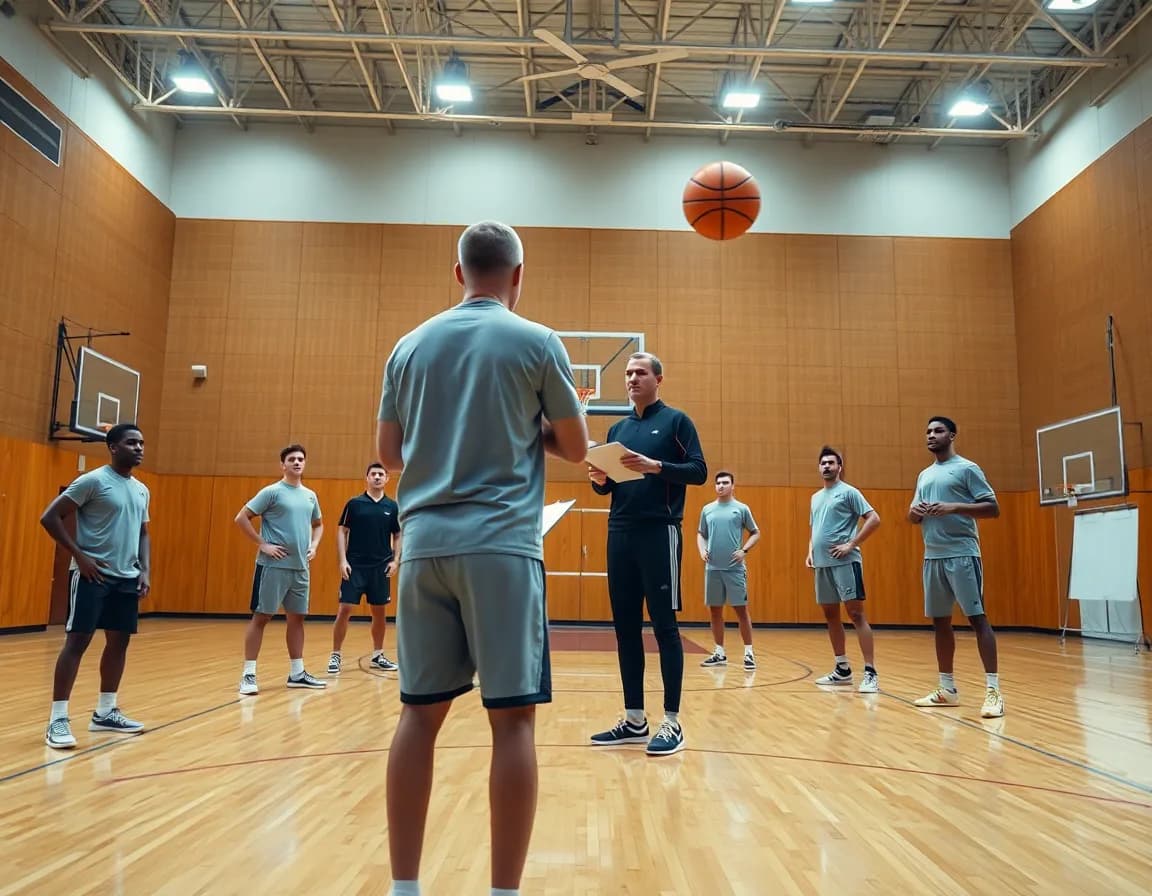
Basketball Vertical Jump Workout
Coach-focused guide to a weekly basketball vertical jump workout, with structured drills, plyometric progression, and video playlists integrated into plan.

Key takeaways
- Design a weekly cycle combining plyometrics, strength work, and rest for basketball vertical jump development.
- Start with core PJT moves like box jumps and depth jumps early, then lighter plyometrics around heavier strength days.
- Focus on technique foundation, teaching safe landings and efficient SSC use before higher-impact work.
- Use progressive blocks and exportable PDFs for staff; keeps plans shareable and scalable during scouting.
- Pair drills with progression cues, track landings, and adjust height to balance volume and form.
- Strength base first then pair with SSC drills; schedule two to three lower-body strength days weekly.
Planning a weekly vertical jump program
A weekly plan ties plyometrics, strength work, and rest days into a clear cycle for basketball jump development. A balanced week helps you coordinate drills, scouting notes, and game prep without overloading players. Start by placing core PJT moves like box jumps and depth jumps early, then schedule lighter plyometrics around heavier strength days.
"Vertical jump development hinges on training the stretch-shortening cycle and following a structured 12-week plan." Vertical Jump Training for Basketball
Begin with a technique focused foundation phase to teach safe landings and efficient use of the stretch-shortening cycle. Emphasize proper landing mechanics and knee alignment before introducing higher-impact work.
As drill sequences come together, you can export a clear PDF of the plan for staff or assistants. This keeps everyone on the same page and makes it easy to reuse sequences like drop jumps and repeated single-leg hops in a weekly cadence, while still leaving space for scouting notes to inform tweaks.
Tailor the weekly plan to players' roles and game prep; scouting notes can inform adjustments and help you decide when to emphasize PJT versus position-specific drills. The goal is to turn a general jump program into a week that supports both individual development and team prep, with a clear pathway from drill library to a shareable, game-ready plan.
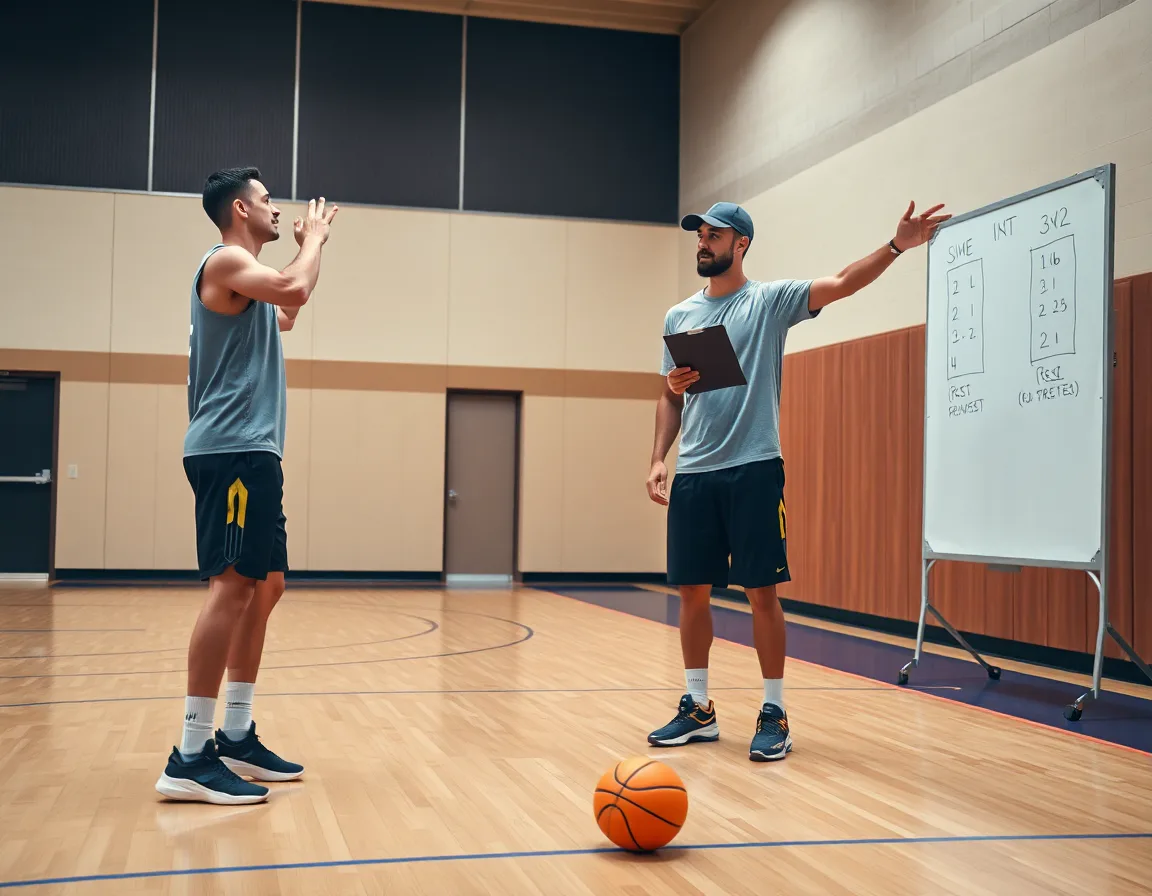
Core drills for basketball vertical jump
For a basketball vertical jump workout, anchor your weekly plan with core drills that cover box jump, depth jump, and drop jump (DJ) with both two-foot CMJ variations and single-leg progressions. Start with controlled landings on a low box, then progress height and intensity as technique stabilizes. The goal is to build a solid plyometric base that trains the stretch-shortening cycle while keeping reps purposeful and the week balanced. Pair each drill with a clear progression cue and track where athletes land to scale volume without losing form.
Emphasize landing technique and deceleration to reduce injury risk. In every variation, focus on soft landings, knees tracking over toes, and hips bending to absorb force. Use both two-foot and single-leg progressions to test symmetry and control. If you see valgus collapse or a jarring deceleration, pause the drill, adjust height, and reinforce a quieter eccentric. The objective is to maintain consistent contact times and a smooth transition to the next rep, reducing injury risk across the block.
Leverage video demos to cue proper mechanics and progression cues. Show clips highlighting hip hinge, ankle stiffness, and knee tracking, then assign progression cues like increasing height, shortening rest, or adding an SJ variation if needed. Group drills into progressive blocks within the weekly plan so staff can follow tempo, rest intervals, and rotation. This approach makes the plyometric sequence predictable and easy to replicate during scouting and game prep.
Standalone plyometric training is effective for enhancing vertical jump performance in basketball players, particularly squat jump. opisni anchor
In practice, you assemble this block into a plan that staff can export as a PDF, attach to playlists, and reference during scouting notes. The emphasis remains on technique, progression, and safety, not on analytics or auto-generated feedback.
Strength and SSC principles for jump development
Strong jump power starts with a solid strength base. You want legs and hips that can store and release energy without breaking down under volume. Focus on foundational lifts that transfer to jump height, including squats, hip hinges, lunges, and step ups, done with clean technique and progressive overload. In the weekly plan, reserve two or three days for work that builds lower body strength, and use simple measures like the CMJ and SJ to check transfer. Emphasize both CMJ and SJ as benchmarks.
Integrate stretch-shortening cycle concepts into plyos for efficient force production. The SSC relies on a quick stretch then a strong, explosive takeoff, so drills should minimize the transition time from landing to jump. Include CMJ variations, drop jumps, depth jumps, and box jumps to train reactive strength and amortization. Use SSC and plyometric jump training as anchors in your drill library.
Pair plyometrics with appropriate resistance work and adequate rest to avoid overtraining. Place high intensity jumps after priority strength work and cycle in lighter plyos on the following day. This cadence helps sustain power without accumulating fatigue. If fatigue shows, scale back volume before any technique breakdown. In your notes, tag these sessions as plyometrics and resistance work.
Finish with precise technique cues that protect knees and ankles. Focus on knee alignment during takeoff and landing, ensure controlled, soft landings, and encourage ankle dorsiflexion to maintain shin alignment. These cues keep the SSC engaged and help coaches spot form issues quickly. In the weekly plan, attach a short video clip and cue sheet to each drill such as CMJ, SJ, or box jump and use consistent language across staff.

Video drills and playlists to support the plan
Video drills and phase-based playlists give coaches a visual spine for the weekly vertical jump workout. You can upload demo videos for drills like CMJ, SJ, and DJ and organize them into phase-based playlists that map to your plan. Base phase focuses on quick ground contact and stable landings; the loading phase introduces depth jumps and box jumps; the reactive phase targets the stretch-shortening cycle and reactive drills. When the drills sit in a clearly structured playlist, the staff knows exactly which clip to show during warmups and which cue to reference during game prep.
Within each clip, use time stamps to create quick coaching cues. A moment in the clip highlights knee alignment on landing, while another moment demonstrates hip extension through takeoff. These cues stay crisp on the sideline and you can pair them with terms like SSC and RSI so assistants know what to watch for. This keeps instruction focused and reduces chatter while you guide players through plyometric jump training progressions.
Share read-only links with assistants and staff to ensure alignment across scouting and game prep. This keeps everyone looking at the same material without risking edits. Then link drills to in-workspace playbooks and PDFs for easy reference during film review or planning sessions. With a few clicks, the team sees the same drill, the same cue, and the same progression. That linkage makes the weekly plan instantly actionable on the floor.
12 week progression example
For a basketball jump training program that sticks, split into a 12-week progression with three phases: foundation, progression, and peak. Each plyometric jump training element, box jumps, depth jumps, and SJ/CMJ, gets a clear daily rhythm, kept in the plan library so staff can run the same sequence week to week. The aim is a repeatable progression coaches can rely on when shaping a weekly plan and sharing it with assistants.
foundation focuses on technique and safe landings. Emphasize control, braking, and a solid landing position before adding height. Use low-volume drills that emphasize the stretch-shortening cycle and footwork patterns, then pair them with light strength days to support tendons and connective tissue. Keeping this phase consistent across weeks reduces early overload and builds a solid base in the plan library.
progression ramps up jump difficulty and integrates with strength work. Increase depth jump and SJ/CMJ variations gradually while preserving technique. Each week adds a touch more complexity, but the cadence remains: drills in the first half, then a strength block, then rest. This pairing helps avoid overloading loads and keeps the plan library templates aligned with staff expectations.
peak brings the highest intensity while guarding form. Reintroduce near game like feel with box jumps and depth jumps under short rest, plus reactive sequences that mirror late game scenarios. Keep the cadence attached to scouting notes and game prep so those elements feed into staff planning. Results vary, but the path stays clear a repeatable peak that completes the cycle. Inside the plan library you can see week labels, drill progression, and links to videos for staff alignment.
Practical weekly workflow
On Monday, you kick off the week by mapping the basketball vertical jump workout into a balanced plan using the plan library. This is where you assign drills and videos for each day, creating a clear arc that fits your staff and practice cadence. You might start with foundational plyometrics like countermovement jump and squat jump, slot in depth jumps or box jumps later, and weave in PJT and SSC concepts as the week progresses. Label each day with a focus, technique, volume, or game prep, so the staff can follow the flow and players know what to expect in each session.
Use video demos to guide coaching points and annotate notes directly in the workspace. Each drill comes with a clip you can play in the gym to illustrate posture, takeoff, and landing cues. While watching, your notes stay attached to the plan, so when a coaching point pops up during a drill, you can capture it right there for future reference. This is especially useful for emphasizing how to rhythmically apply the stretch-shortening cycle during plyometric sequences and how to pace reps in a way that preserves form.
When the week firms up, export a printable PDF playbook for staff and share read-only clips with players. The PDF playbook lays out the sequence, repay tempo, and key coaching cues in a format that staff can bring to the floor without flipping screens. Share read-only clips so players can review technique between sessions or after practice, keeping everyone aligned on the same progressions and demo points.
Finally, review scouting notes and adjust the upcoming week plan accordingly. Observations from the previous game or practice can prompt tweaks to emphasize reactive jump work or stabilize landing mechanics, ensuring the vertical jump work remains practical and game-ready within the weekly cycle.
FAQ
How high do you need to jump to dunk a basketball?
There's no universal height to dunk; it depends on your height, arm reach, and timing. A coach's approach is to maximize efficiency of the stretch-shortening cycle and build a reliable takeoff. Focus on a structured weekly plan that blends plyometrics with strength, plus safe landing cues. Aim for measurable progress in your block, not a single number.
How long does it take to improve your vertical jump for basketball?
With a structured weekly plan and consistent effort, you can see progress over weeks as you build technique, strength, and plyometric power. A typical development cycle mixes core drills, progression, and rest days, and you can export the plan as a PDF for staff reference. Stick to the plan and reassess after each block.
What is the most effective exercise for increasing basketball vertical jump?
There is no single best exercise. A solid mix of box jumps, depth jumps, and drop jumps, paired with primary lower-body strength work, tends to build transfer to jump height. Prioritize technique, landing control, and progressive load. Use linked video cues and clear progression to guide staff through the week.
How often should basketball players train for vertical jump?
Aim for a few focused sessions per week, balancing plyometrics, strength work, and recovery. In a typical plan you'll place high intensity jumps after key strength days, with lighter plyos on subsequent days. Use scouting notes to tweak volume and emphasis. The goal is steady progress without overloading the team.
Does weight training help basketball players jump higher?
Yes, when you integrate lower-body strength work with plyometrics and solid technique. Build a foundation with squats, hip hinges, and lunges, then pair with jump-specific drills. Put a premium on form and gradual progression, and tag sessions in your plan as strength versus plyometrics so staff stays aligned.