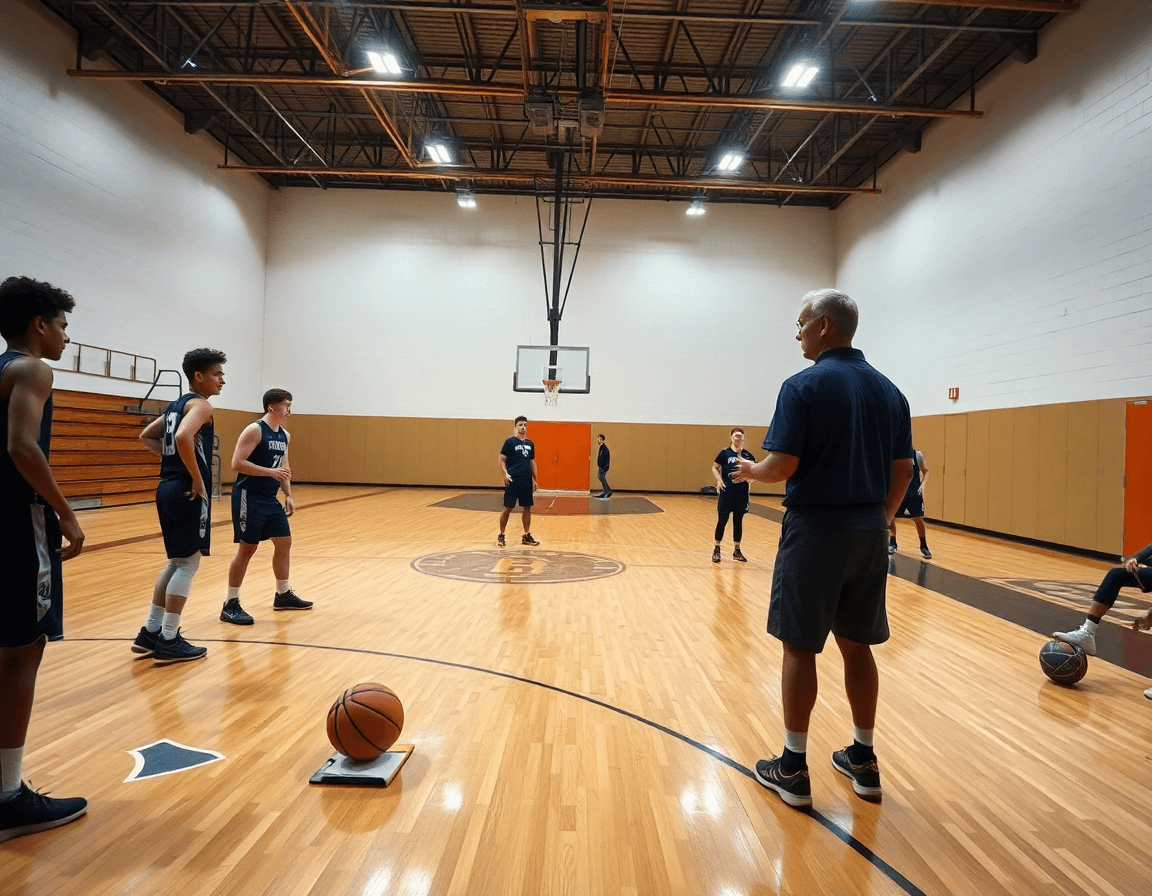
Free Basketball Drills for Weekly Coach Plans
Coach-focused guide to leveraging free basketball drills in a weekly plan, with tips to sequence drills, use video demos, and share practice resources with staff.

Key takeaways
- Use free basketball drills as your weekly seed to structure warm-ups, skills, and conditioning.
- Link drills to a clear weekly rhythm with 3–4 blocks and targeted coaching points.
- Tailor difficulty by age bands and conditioning, turning seeds into scalable practice blocks.
- Export weekly plans as PDFs and link to scouting notes in your training plan library.
- Structure flow: warm-up, skill work, game-like reps, then review and adjustments with progression.
- Maintain a cohesive week by tying drills to scouting notes and game prep.
Why free basketball drills matter for weekly planning
A coach starts the week with intent, not improvisation. Free basketball drills provide a ready-made pool you can pull from to fill each weekly session without crowding the calendar. They’re your first pass at structuring practice blocks, giving you options for warm-ups, skill work, and small-sided work. When you map this pool into your plan, you create a predictable rhythm that helps players stay focused from Monday through Friday. In other words, these drills become the fuel for your weekly planning.
Use this seed content to ensure coverage of core areas, including ball handling drills, shooting drills, and defense drills, so no piece of your week slips through the cracks. A few minutes of planning with these options keeps ball movement sharp, shooters getting reps, and defenders staying active. You’ll naturally incorporate finishing drills and conditioning drills as needed, aligning intensity with the team’s schedule and game prep.
It also serves as seed content you can tailor to your squad’s pace, style, and age group. Adjust the difficulty by mixing in simpler ball handling reps for younger players or tighter spacing for a more advanced unit.
These drills complement a structured weekly plan by feeding into your training plan library, with video demos and organized playlists that you can export as PDFs, build playbooks, and link to scouting notes and game-prep materials within a personal coaching workspace.
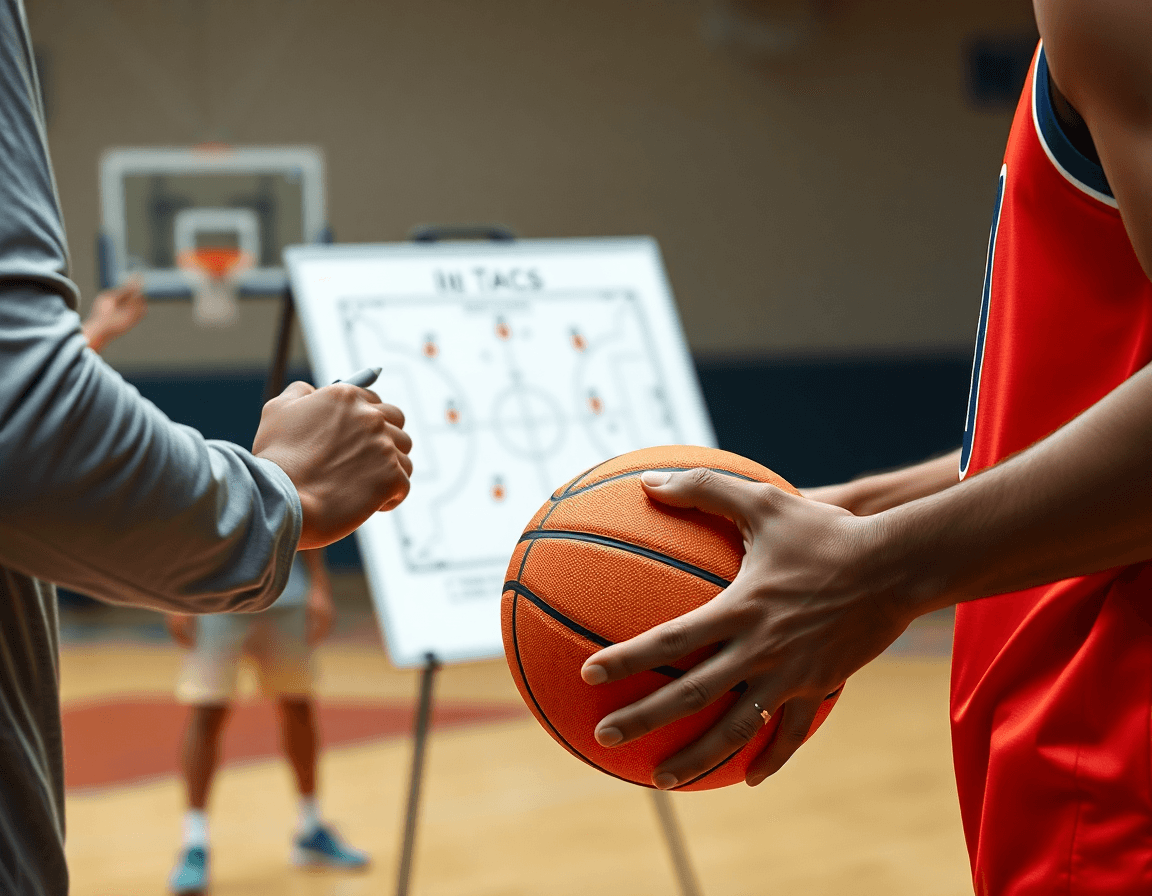
Choosing drills by skill and age: a coach’s vetting checklist
Think of free basketball drills as seeds for the week. When you pull drills by skill focus, duration, and equipment, you start your weekly plan with solid material. Use the training plan library to turn those seeds into a cohesive week, supported by video demos and organized playlists you can reuse on future sessions.
Filter drills by skill focus, duration, and required equipment. Look for clear coaching points, progressions, and common mistakes. For example, a ball-handling drill might move from stationary dribbles to quick crossover sequences, with explicit cues and a few typical missteps to watch for.
Confirm the drill fits players’ age bands and conditioning level. In your personal coaching workspace, tag or note where each drill sits on the age and conditioning spectrum, so the group gets the appropriate challenge. Common families include ball-handling drills, shooting drills, dribbling drills, finishing drills, and defense drills.
Note the intended outcome and how it translates to game readiness. Keep a clear line from drill objectives to on-court impact, so the week feels cohesive rather than a random collection. Within the personal coaching workspace, link drills to scouting notes and game-prep materials, and export PDFs of the week.
Plan for drill duration to fit a 60-minute session or shorter blocks. For instance, pair a ball-handling drill with a finishing drill and a defense drill to create a balanced block. Watch the drill duration to keep the pace sharp.
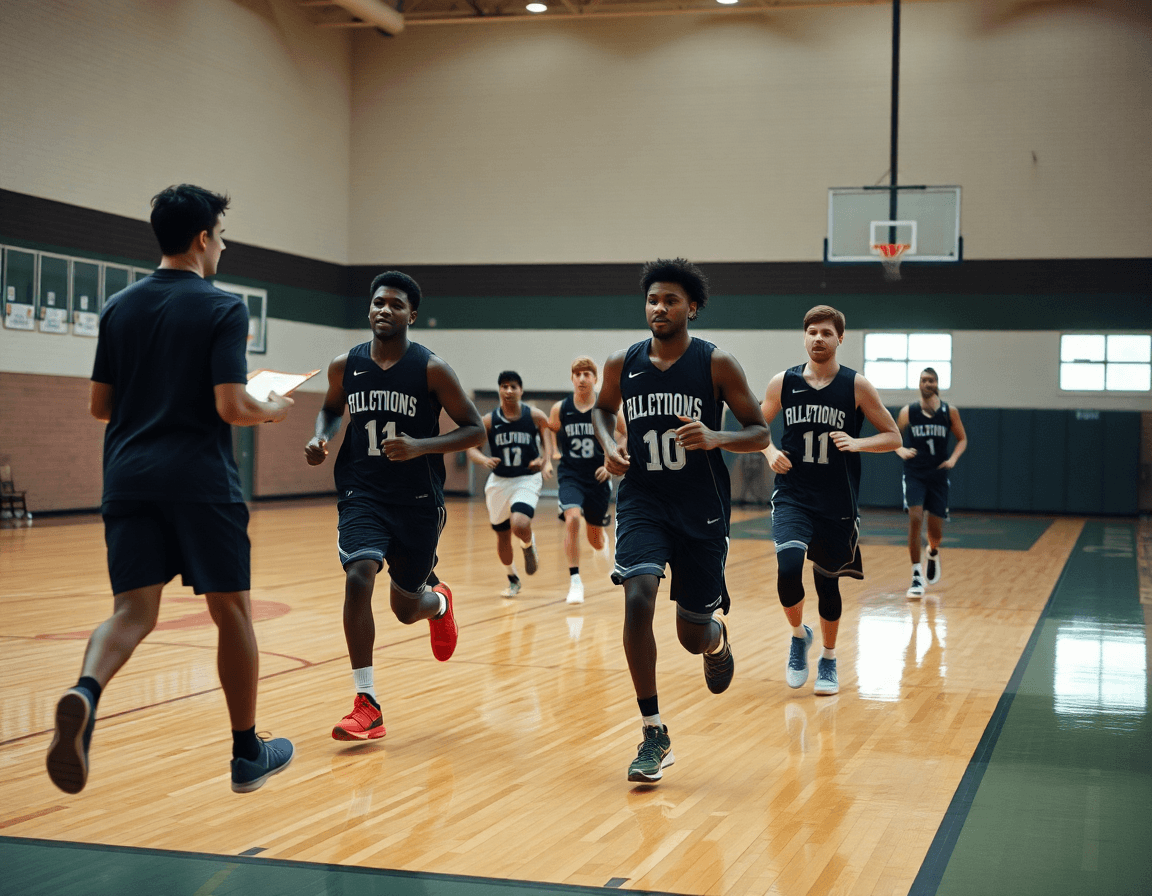
Assembling a balanced weekly plan: drill categories and flow
A balanced weekly plan starts with clear drill categories that cover the core tools a coach wants in a game. free basketball drills serve as the seed for your week, offering options across ball handling, shooting, finishing, defense, and conditioning. Group drills by their goal—handle, jumper, finish, pass—and sequence them for flow from warm-up through skill work to game-like action. Picture a session where players rotate between ball-handling drills, form shooting, and a quick finishing drill like the Mikan before moving to a defensive shell. This flow keeps the practice plan efficient and purposeful, no wasted reps, and sets up a solid foundation for the week.
In a typical week, you turn those seeds into a cohesive sequence using a training plan library, video demos, and organized playlists. This structure gives you a solid practice plan you can export as a PDF, build into playbooks, and link to scouting notes and game-prep materials within a personal coaching workspace. For example, on Monday you might start with ball handling drills and form shooting, then move into a game-conditioned drill that mirrors the tempo of a late fourth quarter. A short video clip can demonstrate each segment, keeping players engaged and coaches aligned.
To finish the week, mix in game-conditioned drills with conditioning drills to keep players sharp without overloading. After the main sequence, reserve time for a quick review and adjustments based on progress on the floor. Link each drill to scouting notes and game-prep materials in your personal coaching workspace so you know exactly what to tweak for the next session. A steady rhythm—set 3-4 blocks, short breaks, and a final quick scrimmage rep—helps the team carry the week’s learning into the next practice.
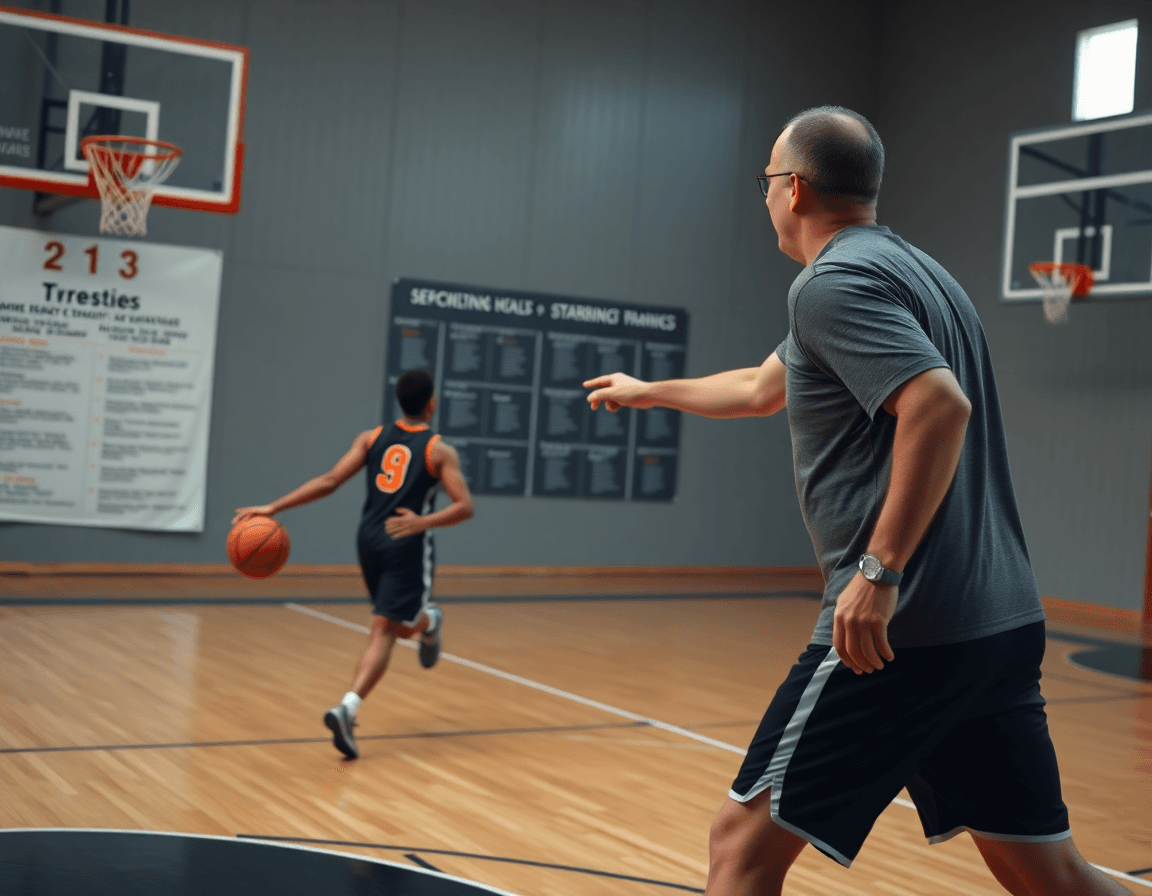
Practical workflow: scouting to drills in your week
Start with scouting notes to shape weekly targets and drill selection. Use free basketball drills as your seed, then tailor to your roster's strengths and tendencies. In your coaching workspace and training plan library, attach each drill to a context—ball handling drills, shooting drills, or defense drills—and capture the main coaching points.
From that seed, map drills to 4-5 practice blocks with a clear objective and coaching points. Link specific drills—ball handling drills, shooting drills, dribbling drills, finishing drills, defense drills, conditioning drills—to those blocks and note what you’re teaching beyond technique, like decision-making and spacing.
Sequence design ensures a smooth flow: start with a warm-up, progress to a skill drill like form shooting or the Mikan drill, move through progression that ramps difficulty, and finish with a competitive finish—competition or game-like reps. This structure keeps drills connected and easy to replicate.
Exportable plan: turn the weekly plan into a printable PDF for staff so assistants can run the session with consistency. In your workspace, attach video demos for each drill and build clean playlists that guide scouting notes and game-prep materials alongside the drills.
Keep it simple and repeatable, with room to adjust. A steady weekly routine reduces chaos: start with scouting notes, apply a few core drills, and revisit the plan after each game to refine the targets and add or swap drills as needed.
Using video demos to teach and build practice playlists
Video demos help players visualize technique and tempo. A short clip shows stance, footwork, and timing, letting athletes feel the rhythm before they try it in live drills. When paired with a coaching cue, the movement becomes easier to replicate on the first few reps.
From there, build playlists by skill area and week. Tag each clip with setup cues, progressions, and coaching points so the group can advance in a structured manner.
Share playlists via read-only links to keep the plan controlled and easy to reference.
Attach coaching notes and links to drills for quick reference, so the plan stays clear during practice.
Think of the free basketball drills as a seed library for the week's plan. A coach might start with ball handling drills and form shooting, sprinkle in finishing and defense drills, then wrap with conditioning. All of this lives in a training plan library and can be exported as a PDF for handouts or printouts.
Sharing and archiving drills: PDFs, playlists, and read-only links
When you tie free basketball drills to a weekly plan, sharing and archiving become essential. Use PDF export to give staff and players a clean, printable reference for the week, with a curated set of ball handling drills, shooting drills, dribbling drills, and finishing drills. Pair that with organized playlists so every session starts from the same seed you’ve vetted for the week.
Create shareable playbooks and PDFs that travel with your staff and players. A single click can bundle the week’s drill list into a cohesive package, along with short video demos. This makes it easier to keep everyone aligned on expectations in the plan for the upcoming practices and games.
Maintain versioned drill lists and organized playlists for easy retrieval. As you refine your approach—adjusting form shooting progressions or adding new Mikan drill variations—the history stays intact. The latest version sits beside the prior ones, so you can compare progress and pull the exact drills you need for future weeks.
Use read-only links to prevent accidental edits while sharing. This keeps the integrity of your weekly plans intact across staff rooms and away-from-court offices. Link drills to scouting notes and game-prep materials to aid prep—so every PDF, playlist, and read-only link anchors a clear tie between on-court execution and prep work. In your coaching workspace, those connections between drills, notes, and game plans become a trusted, quickly navigable library.
FAQ
What is the difference between a drill and a practice plan?
In coaching terms, drills are discrete reps to build a skill; a practice plan is the weekly structure that stitches those reps into blocks, timing, and objectives. Free drills feed your plan as seeds you map into 4-5 blocks with warm-ups, skill work, and game-like reps. Use coaching points and progressions to push players without crowding the calendar.
Are these drills free to read or use?
Yes. The free drills in this library are designed as open resources to seed your weekly planning, so you can read, adapt, and implement them without a paywall. Each drill comes with video demos and coaching points, and you can export sequences into PDFs or playlists for easy sharing with your staff.
What are the best free basketball drills for beginners?
Focus on foundational ball-handling, form shooting, and basic finishing. Look for drills with clear coaching points and simple progressions that let players build confidence. In the library, filter by age bands and conditioning level to find beginner-friendly options and ramp difficulty as players improve.
How long should a basketball drill last?
Plan for 3-4 blocks in a 60-minute session, with short breaks between blocks. Each block should be tight and purposeful, often 6-12 minutes depending on players’ age and conditioning. Pair a handling drill with finishing and defense, then finish with game-like reps to keep the pace and ensure the week stays cohesive.
What is the Mikan drill and why is it useful?
The Mikan drill is a finishing exercise focused on weak-hand layups, footwork, and rim angles. It’s useful because it builds finishing touch under pressure and improves angles in tight spaces. Include it in a finishing block within your weekly plan to bolster game-like finishing reps.
Can I get feedback on my drill form using an app?
Not at this time. CourtSensei does not provide AI-based video analysis or automated drill feedback. The focus stays on planning, video demos, and organized playlists. You can still record sessions and review them in your coaching workspace, and share read-only links for peer feedback.
Do I need an account to access these drills?
Access to read and use free drills is available without an account, but saving, personalizing, and exporting to PDFs or building playbooks requires a personal coaching workspace tied to an account. This setup keeps open access while unlocking the advanced workflow features.